Balsamic vinegar, Modena style

We made a quick visit to Modena to tour Villa San Donnino, a place that produces balsamic vinegar. This farm/vinegar producer follows strict guidelines in the creation of their balsamic vinegar in order to produce authentic, traditional balsamic vinegar. Generally, they sell through a consortium with other producers who also adhere to the traditional standards.

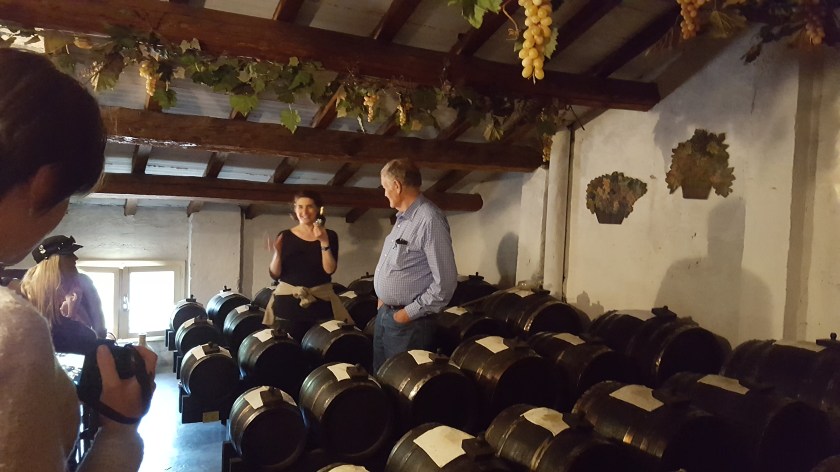
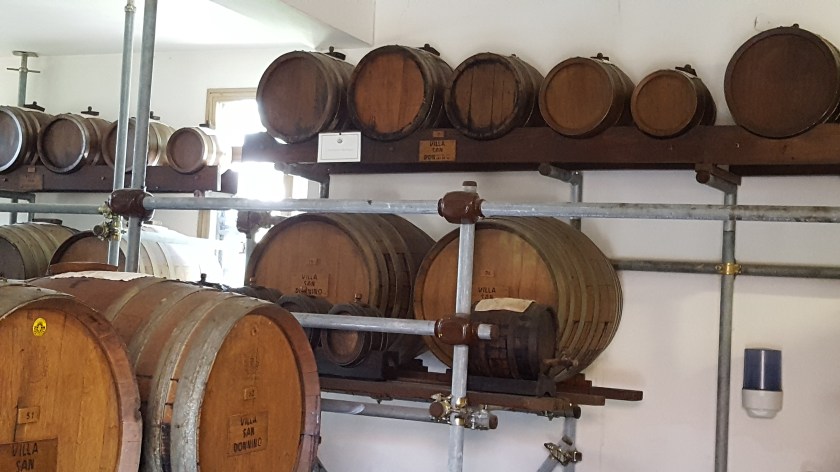
The vinegar is aged in wooden barrels which were kept in the attic when we were there. The barrels vary in size and as the vinegar preparation reduces, it is moved down to the next smaller barrel. This process of slowly moving the vinegar from one barrel to the next down the rows (which you can see in the photo below on the right) takes months and eventually years.

We had a very pleasant guide that explained the process, helping us see how long it takes to produce authentic Modena balsamic aceta (vinegar). At this point she left us lift the white cloth and smell the different stages of vinegar.
20160514_144144

Different types of wood in the barrels (e.g., oak, chestnut) produce a different tasting vinegar. Villa San Donnino also had some vinegar they had acquired from another place and you can see some of the different types of wooden barrels used by the other farmer.
20160514_150617

As part of the tour, we were able to taste the products. The “youngest” of the vinegar had been aged for 6 years. That is not long enough to sell through the consortium, but they can sell it directly to us or at local markets. We all liked the 6-year version. The next product was aged 12 years.The consortium requires that any vinegar sold through them be aged this long. This vinegar seemed tasty, but stronger to all of us. The last one was aged 25 years. Ah, we loved this one.

20160514_150843

They had some that had been aged longer, but, of course, they didn’t let us taste it because it is so expensive. To compare, the vinegar aged 25 years started at 75 euros for a small bottle. What would it cost for one aged more?
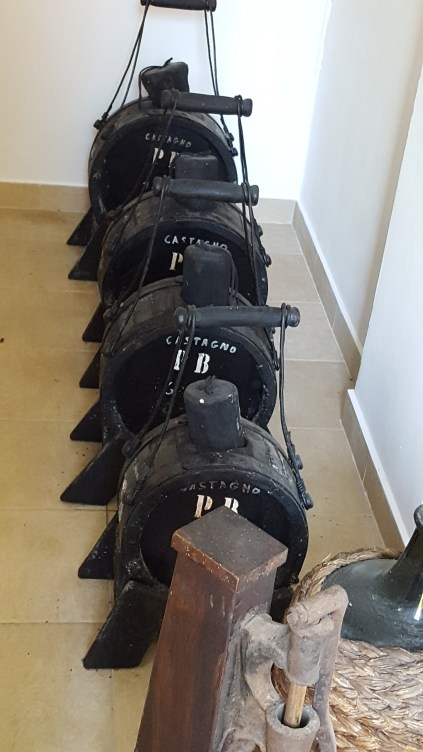
20160514_150402

In addition, they have some very old vinegar that was inherited with the farm, which is stored in these containers. The guide said some were more than 100 years old.


They also had samples of other containers used in the past, as in these ceramic jugs (photos by Gael).

Everyone loved the taste and bought some (except me since I had no room in my suitcase). Here is a picture of their 6-year balsamic and a thickened version, which we also all liked. They even put some on ice cream for us to taste.

20160625_184413

We enjoyed our tour immensely and recommend you visit Villa San Donnino next time you are in Modena. My only regret was no room in my suitcase….and so guess how happy I was when I arrived in Flagstaff and Claire (a niece) told me Flagstaff  had a store (Olive the Best) that sold Italian olive oil and balsamic vinegar. You can taste the different products in this store before you buy to see which you like best. I bought several bottles and had them shipped to Hawaii  (since I still have the no-room-in-my-suitcase problem).
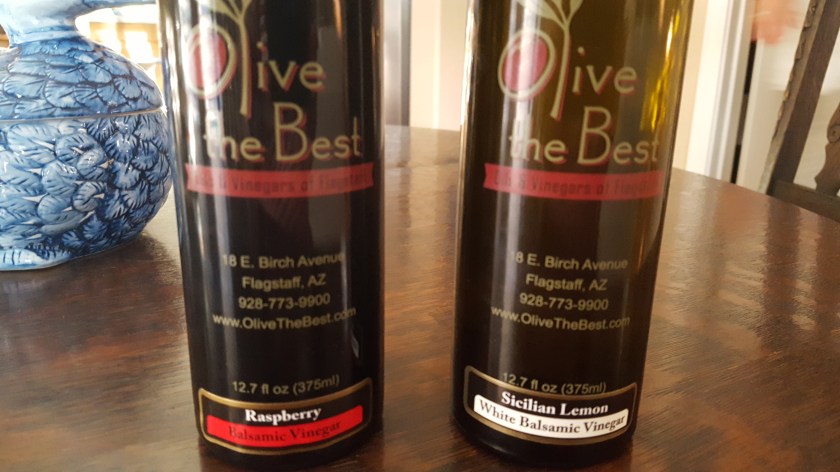
20160625_185005

And now we can tell the difference between “industrial” balsamic (the guide’s term) and true, traditional, authentic Modena balsamic vinegar. Ask us sometime.


Art, a random collection

During our travels we have seen many, many pieces of the highest quality art. Such treasures we have seen! We have also seen, though, some minor pieces, or works by the great masters that are separated from large collections. Here is a somewhat random set of some I enjoyed.

First, here are two olive wood carvings in the chapel in Vinci (where Leonardo was baptized). First the Holy Family and then Christ washing the feet of His disciples.

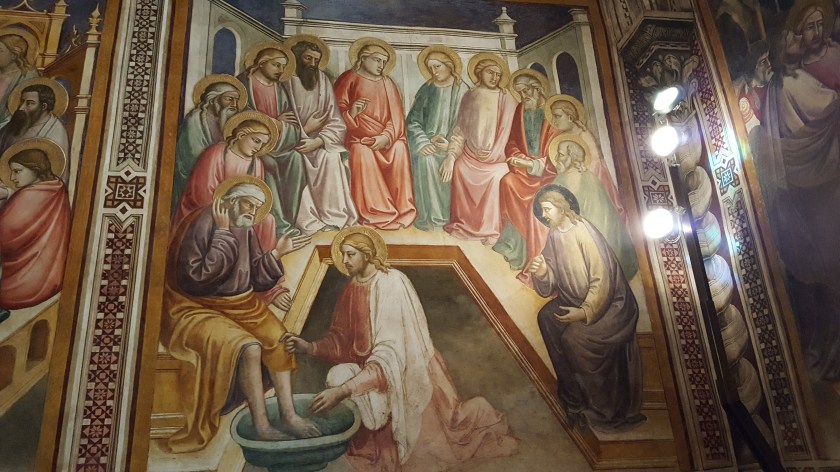
A fresco of Christ washing the feet of His disciples was in Santa Maria Novella. I do not have the artist’s name on this one.

20160513_094651

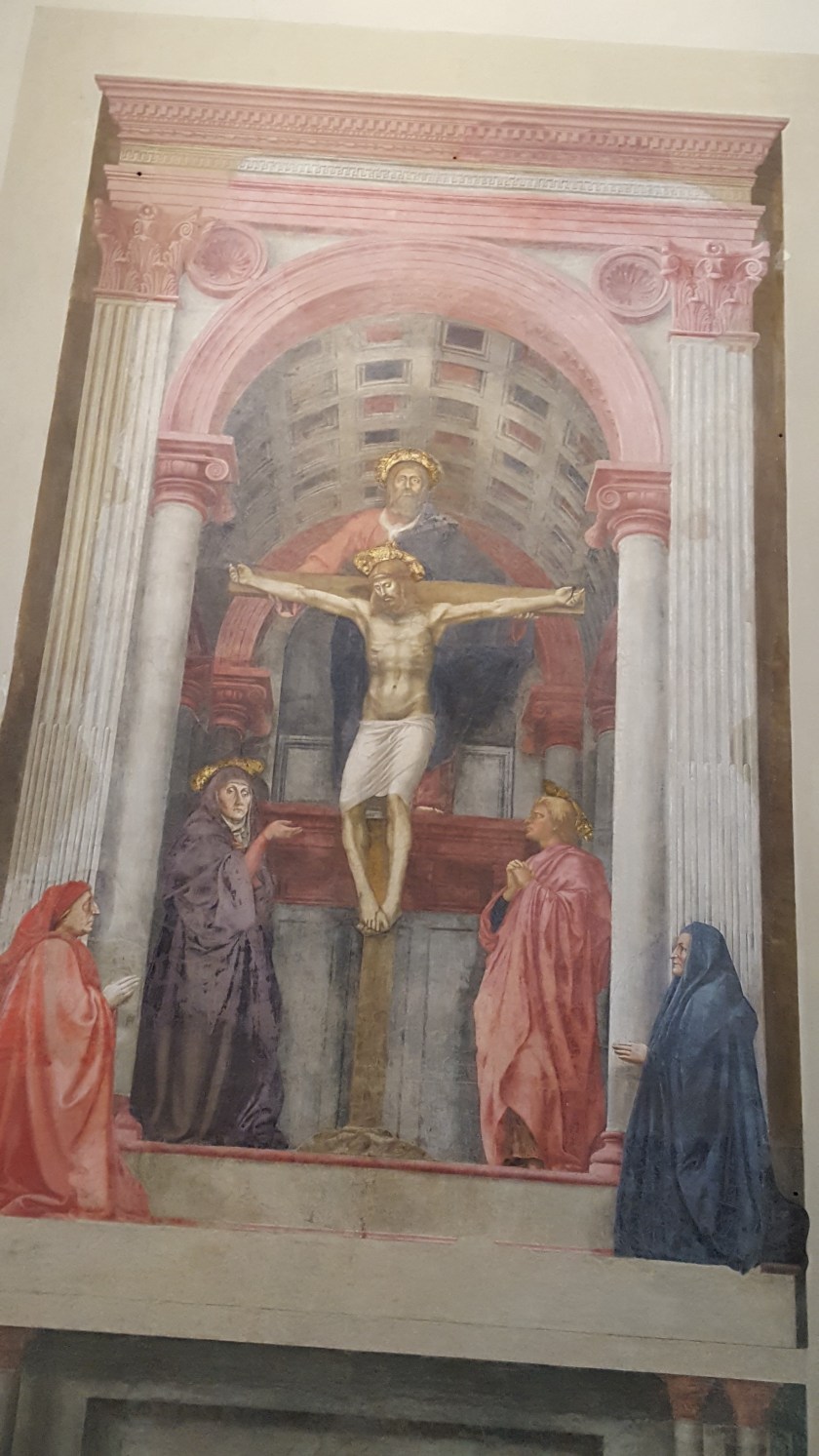
Another art wonder is Trinita (1428) by Masaccio. According to a Website on museums in Florence, this was the first time mathematical perspective was used in paintings among the Florentine artists. The Website also said that Masaccio was probably helped by Brunelleschi. You will find this art in Santa Maria Novella.

20160428_141538

It is hard in the photo above to see the dove representing the Holy Ghost. Here is a close up of that section of the painting. The Holy Ghost is represented by a white dove between the top of Christ’s head and below the Father’s head.

20160428_141557

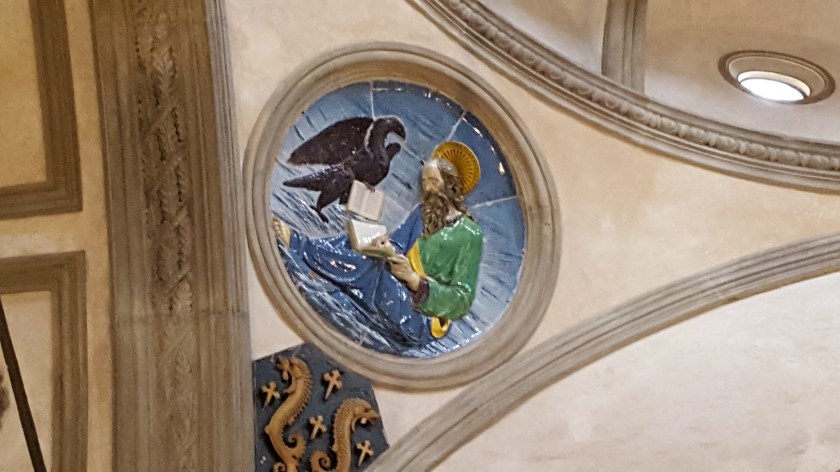
I discovered an artist I hadn’t heard about before that began to intrigue me,  Luca della Robbia (1399-1482). He was a sculptor in stone and bronze, but also developed a technique for glazed terracotta. I posted one item made from his workshop in the ceilings post, but here are some of his other work in terracotta. First, as part of several items trimming the edges of a dome in one part of the Basilica of Santa Croce, Elijah being fed by a raven.

20160426_161139

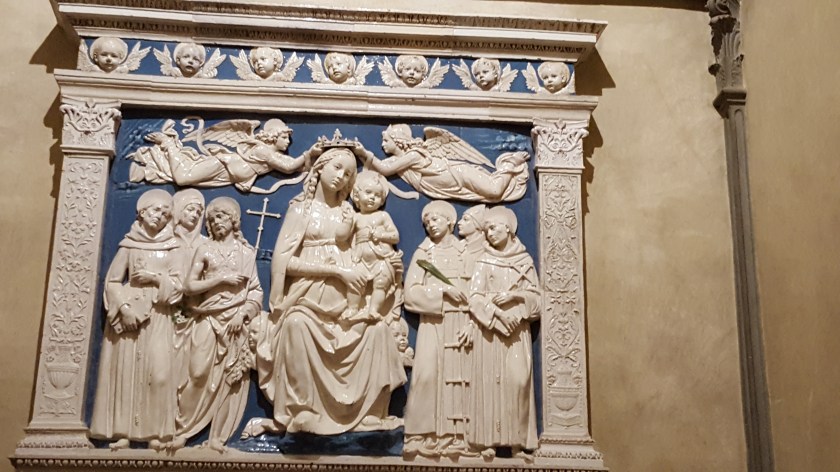
Or one of his many examples of the Madonna, also in the Basilica of Santa Croce.

20160426_154255

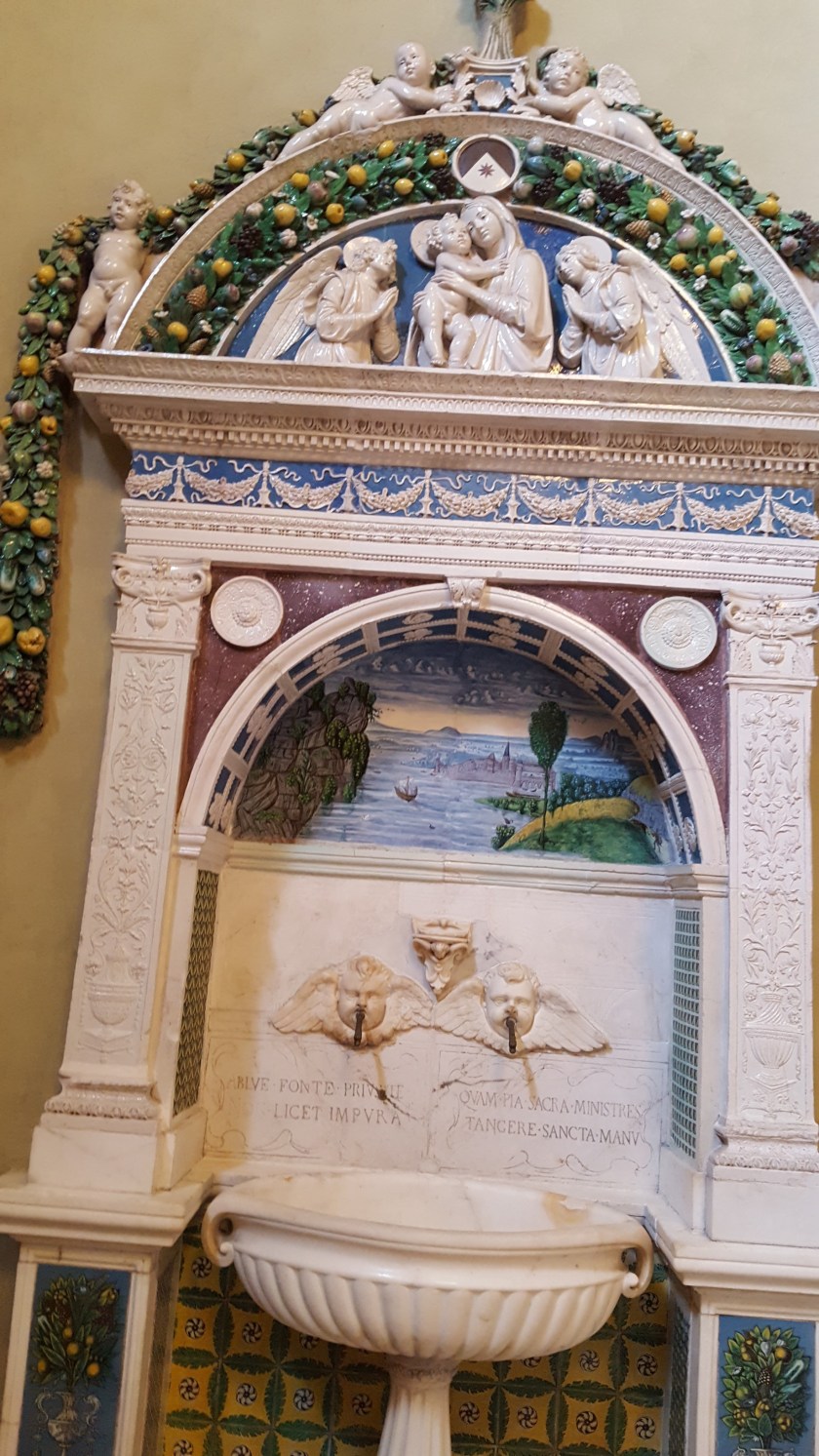
Finally, a fountain by Robbia in Santa Maria Novella that I could have included in my fountain post!

20160428_140732

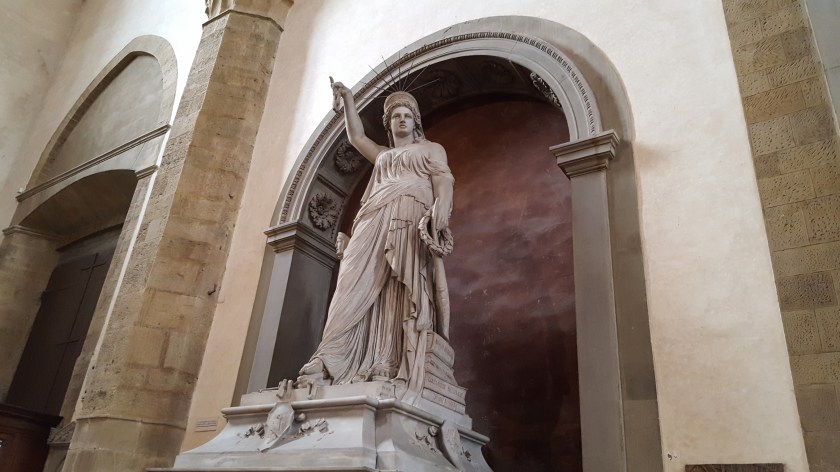
In the Basilica of Santa Croce there is a statue by Pio Fedi called the Liberty of Poetry.

20160426_150123

According to the sign at the church, this statue may have served as an inspiration for our Statue of Liberty by Frédéric Auguste Bartholdi. Bartholdi was in Florence at the time that Fedi (1870) was designing this statue. The sign in the church said that preparatory drawings of this statue were circulating among artists and a full-sized plaster copy of Liberty of Poetry was made in 1872. The influence is still open to debate, I understand. Here is another view of the Liberty of Poetry.

20160426_145959

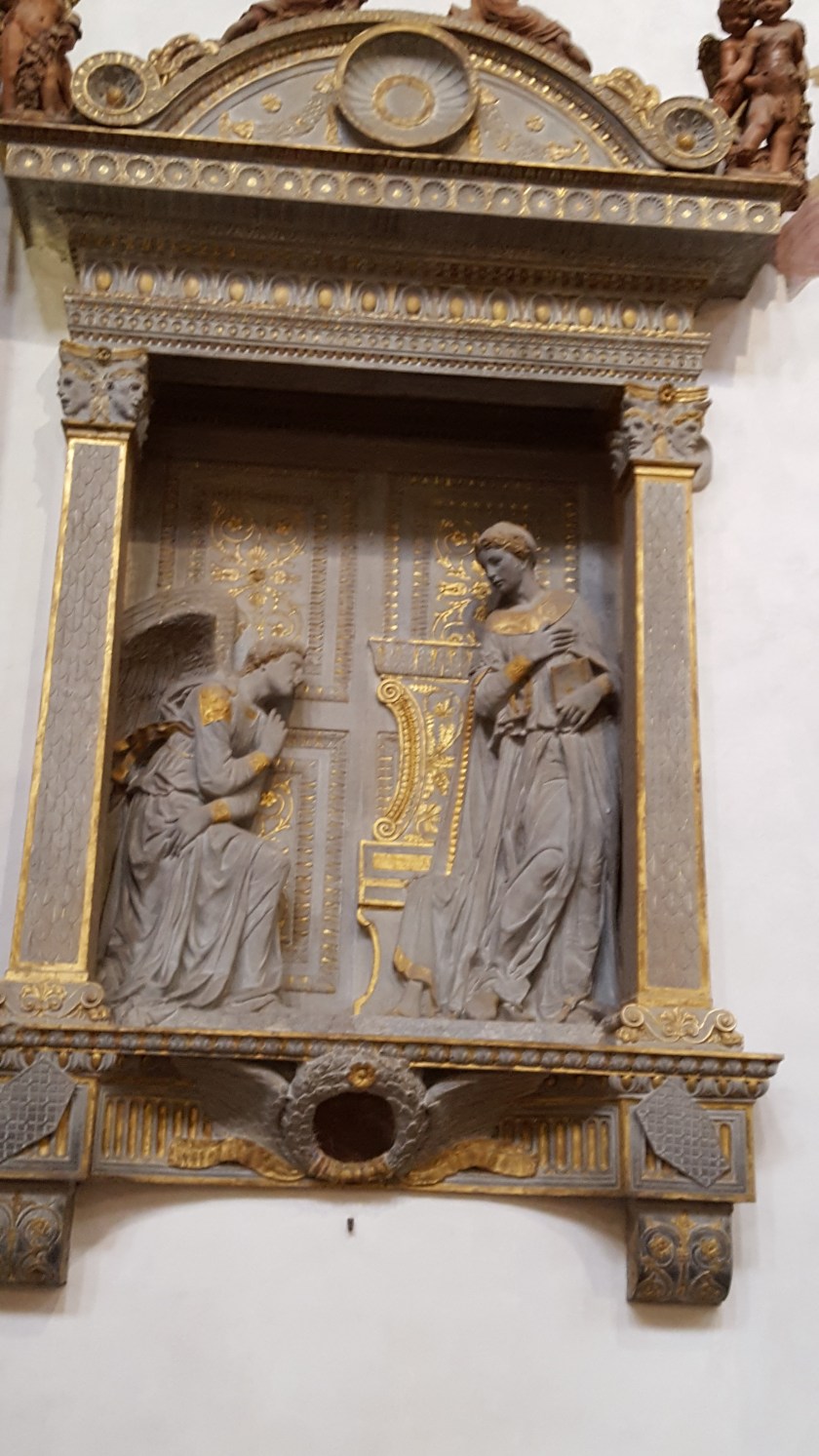
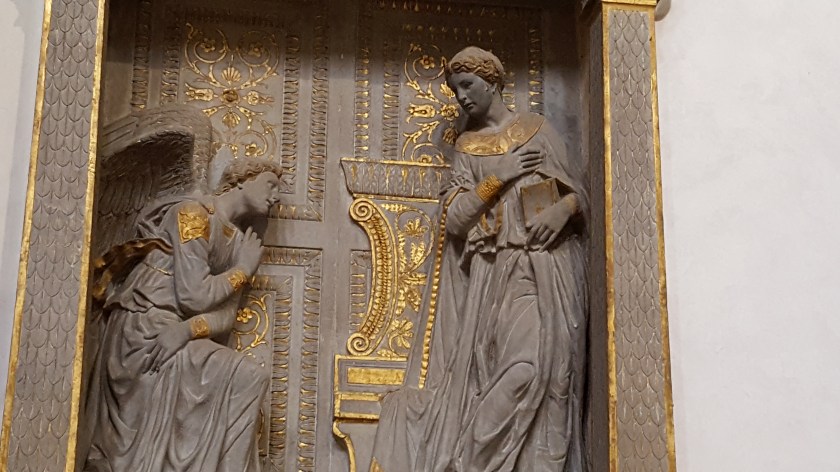
Also in the Basilica of Santa Croce is this creation by Donatello of the Annunciation. The figures carved in full relief are actually life-sized, although at the museum they were up high enough to not seem quite so big. First, the entire display and then a close up on the beautiful work and gold painting.

20160426_151738

20160426_151911

In a similar style is this decoration for a pulpit in Santa Maria Novella. I have a blurry sign with the name, but it seems to say created by Brunelleschi.

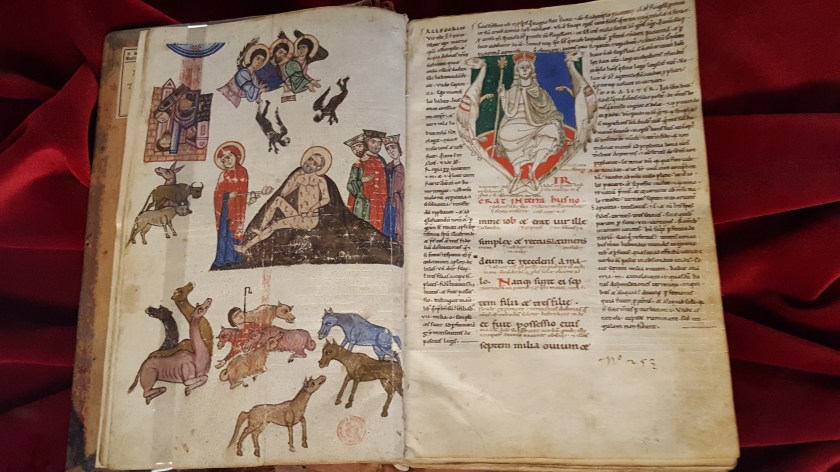
At the San Lorenzo Library, we found some illustrated Bibles. We were so intrigued we didn’t  notice it was nearly time to close the museum. Here is one example, an illustrated page for the Book of Job.

20160426_132558.jpg

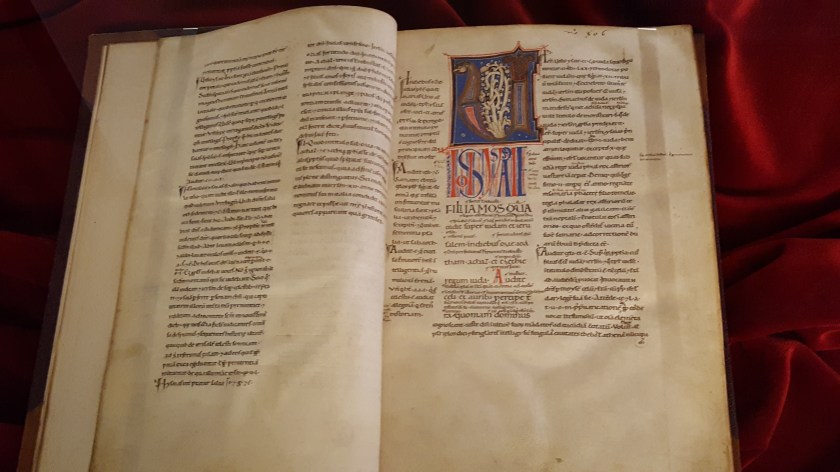
Here is a second example, the Book of Isaiah.

20160426_132529

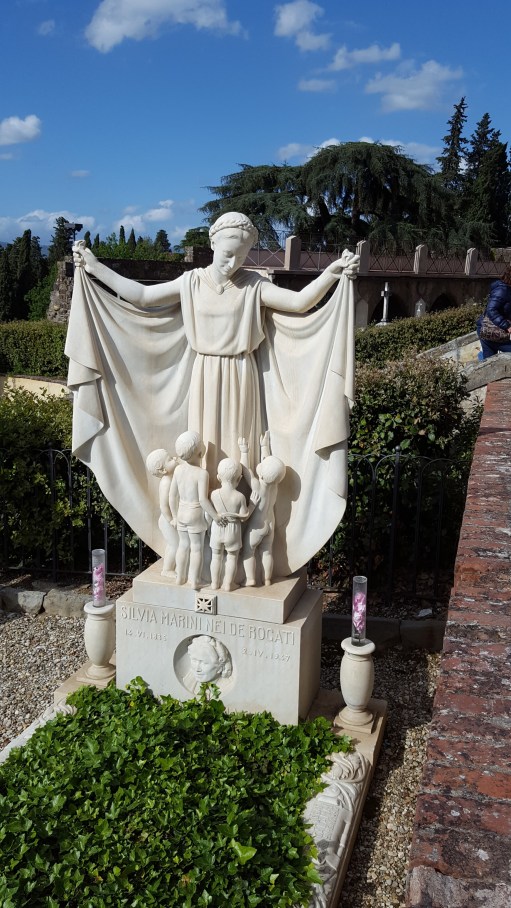
In the San Miniato Cemetery is this sculpture on the tomb of a woman. I would assume the woman who died was a protector, teacher, or mother of children. Good statue for Mother’s Day. (I don’t have the name of the artist on this one either.)

20160427_165343

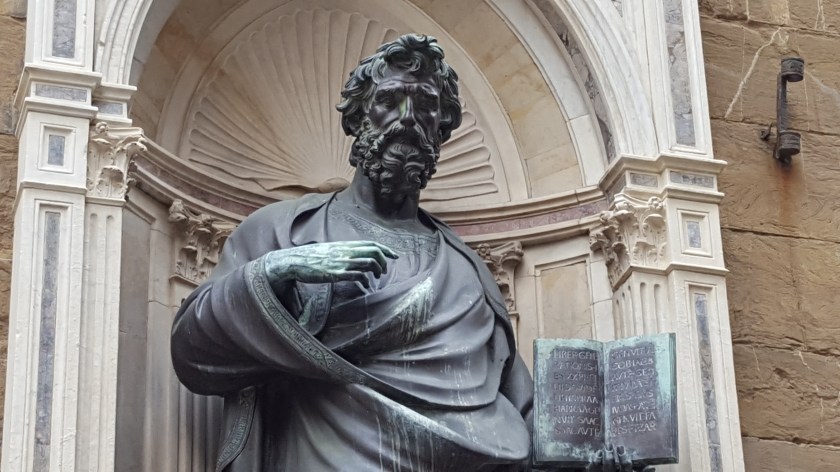
At Orsanmichele, outside niches are decorated with the patron saints of the guilds important to life in Florence during the late Middle Ages and the early Renaissance. (I probably need a full post on the wonderful statues at Orsanmichele.) St. Matthew, the patron saint for bankers, was sculptured by Ghilberti (the same artist that did the Gates of Paradise on the Baptistery). Here are two views of that statue.

20160510_122242

20160510_122327

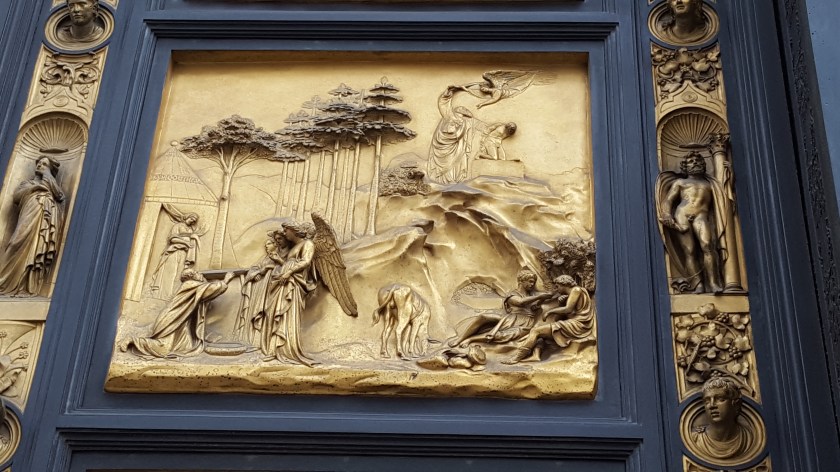
Finally, I’ll send with a photo of a section of the Gates of Paradise, by Ghilberti. The story of Abraham sacrificing Isaac (from the copy actually on the door outside).

20160426_085551

I’m sure I could post more; perhaps I’ll do part two.


Sienna

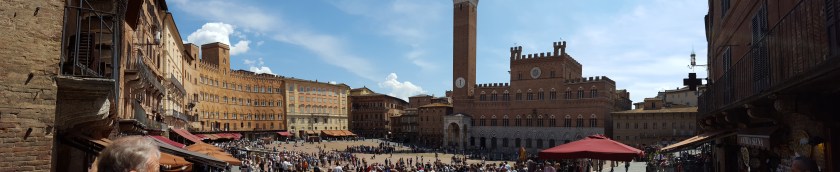
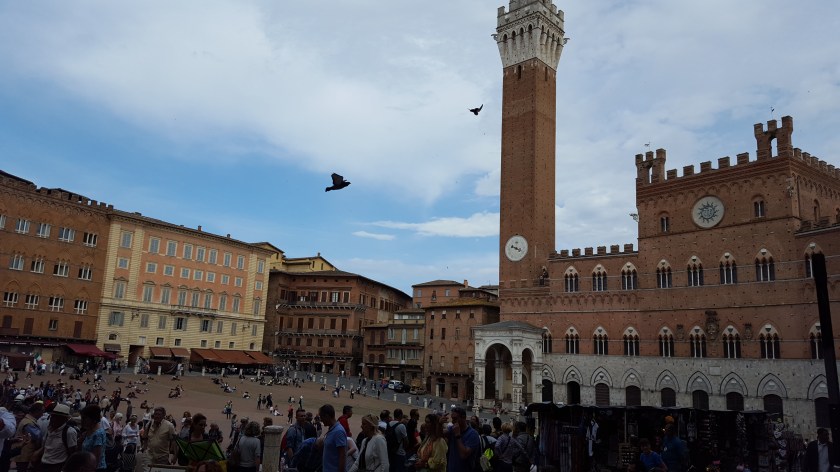
Ah, Sienna, lovely town. Here is a panoramic shot of the main piazza, Il Campo.

20160507_120421

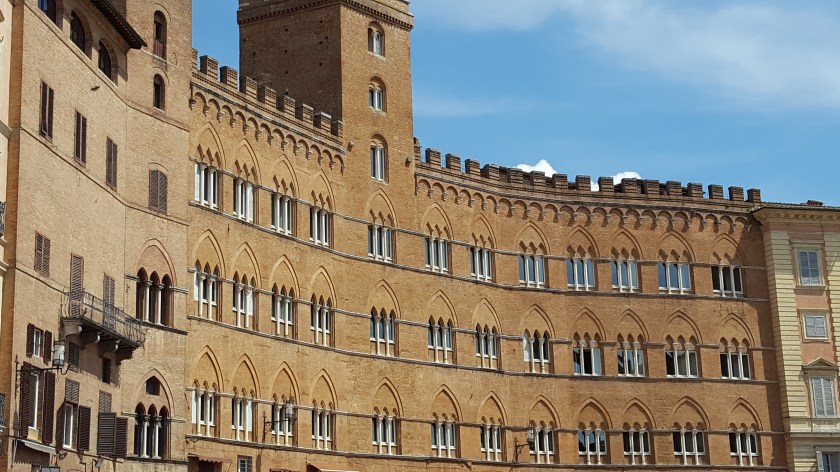
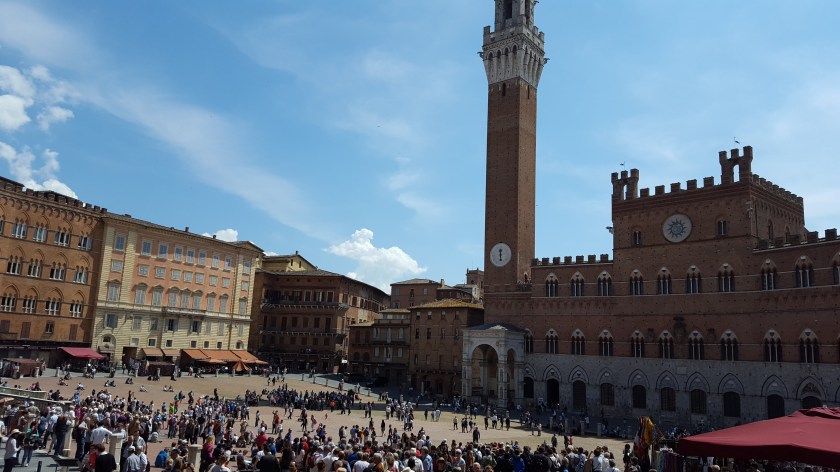
But since I don’t think you can enlarge a panoramic photo to really see any of the details, here are a couple of photos of different building surrounding this piazza.

20160507_12094120160507_120327

Sienna has the narrow lanes and old buildings, left from medieval times.

The town had fortress protection (photo on the right), although we didn’t go inside to look, and nice views from two different vantage points.

20160507_171847

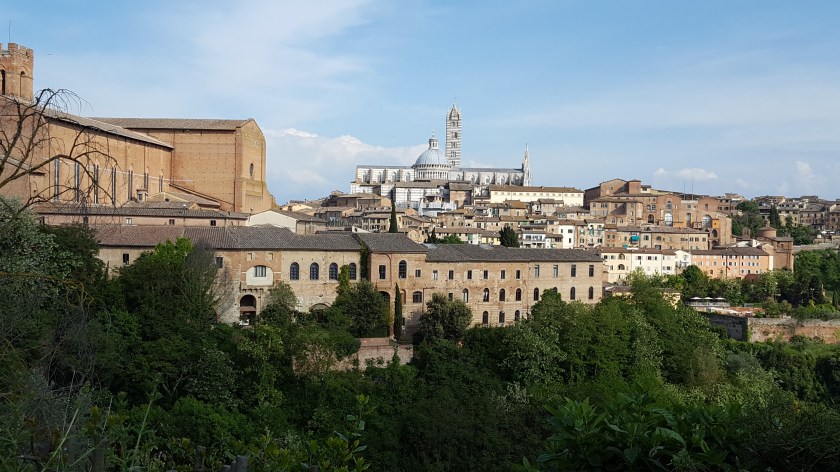
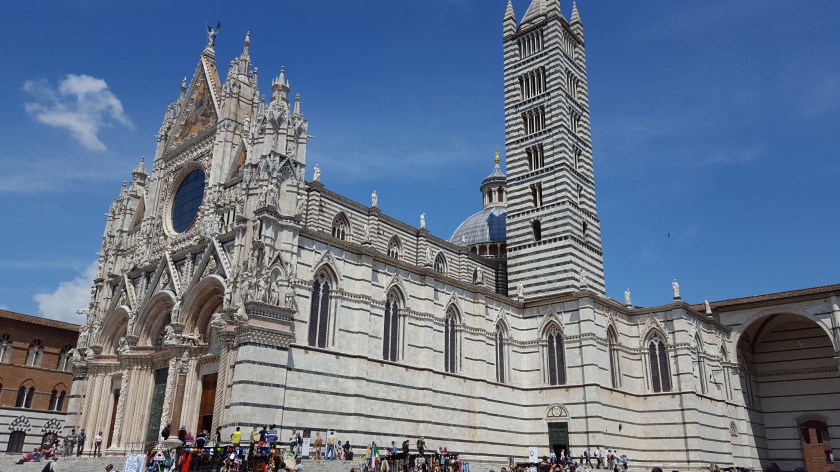
I’ve already attached several photos from Sienna in other posts–on the amazing floors, the music books and musical instruments, the fountains, and the use of Carrara marble in the cathedral. But the cathedral is certainly worth the posting of a few more photos.

20160507_124842

The front facade (which had pink marble, but it was hard to get a good photograph that showed the pink color in the bright sunlight.)

(is this proof of the pink marble?)

20160507_141440.jpg

and the inside again

and more views of the inside

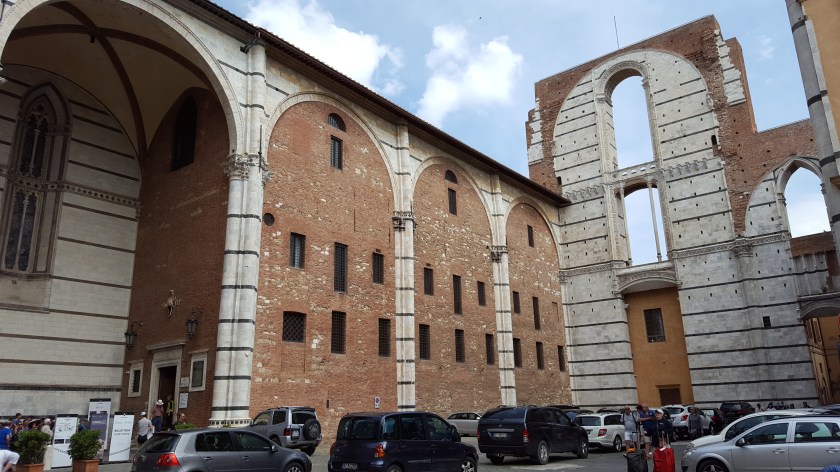
Sienna also has an unfinished church…unfinished from what date I don’t remember.

20160507_142914

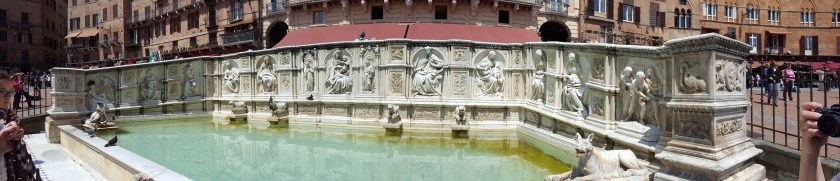
The Fountain of Joy (Fonte Gaia) needs a mention again, although it was hard to get a good photo of the entire fountain. Here is a panoramic shot, but it bends the fountain in a strange way.

20160507_121927.jpg

The fountain had carvings of the important events that give joy to our lives. On the left side of the fountain (and in the left photo) is one of God creating Adam (who just happens to have a bird on his head as I took the shot.) As always, click on the photos to see them as a slideshow.

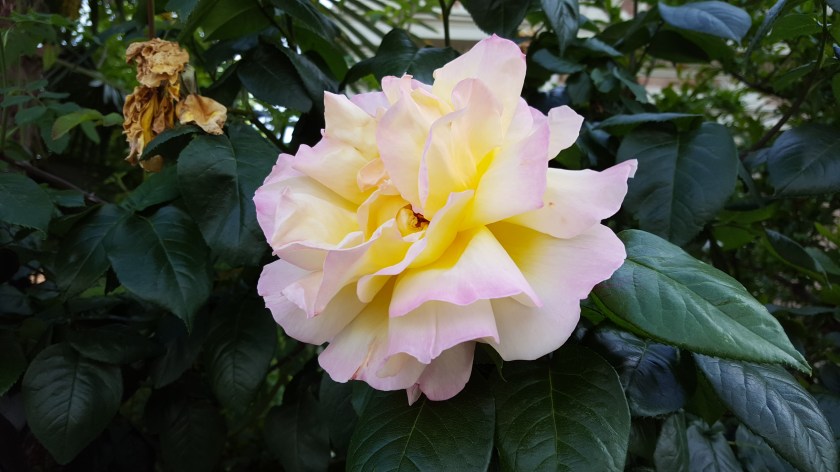
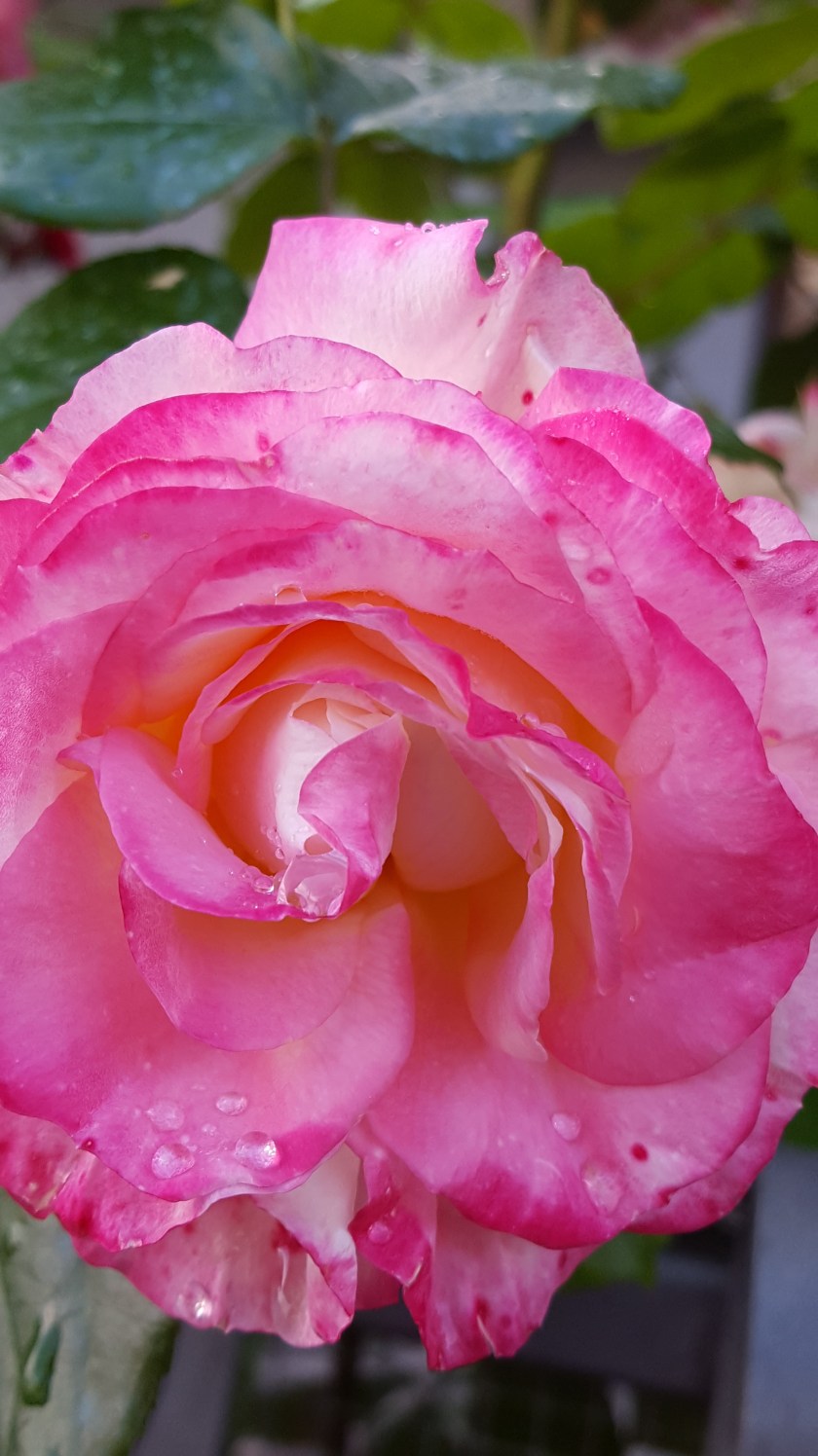
What else? I didn’t take a photo of the good gelato we ate, so I guess I should end with a beautiful rose, taken with Lisa’s selfie, stick since it was fairly high above my head. Shouldn’t I get flowers in every post?

20160507_172644

Well, maybe it is better to end with this photo of birds flying through Il Campo.

20160507_160500

Or then again, perhaps I should end with happy, but tired tourists.

20160507_172131


Mountain-top town charm, Montefioralle version

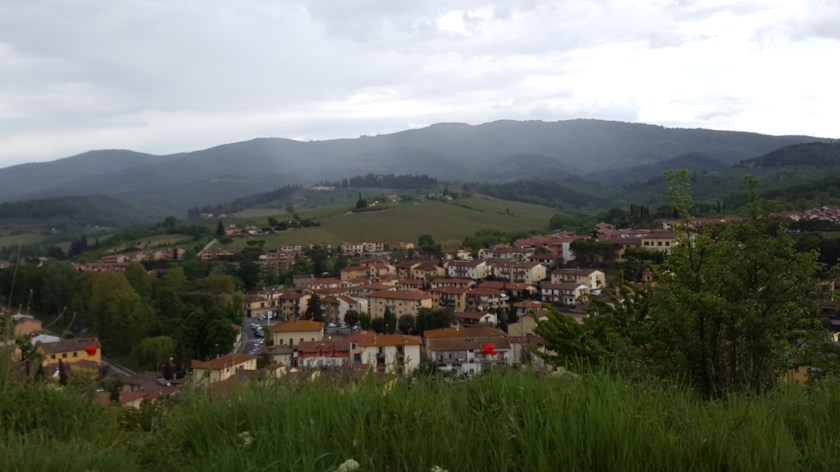
Because there have been too many places to blog about and not enough time or Internet connectivity to get them all done, I have missed blogging about a car trip we took through the Chianti region to the towns of Greve and Montefioralle, both in the vicinity of Florence. First, a few photos of the town of Greve, with a Saturday market we happened upon and enjoyed, purchasing both food for a few days and souvenirs.

We drove beyond Greve to the mountain-top town of Montefioralle on a narrow, curvy road, with limited parking at the top near the town. The town was small, with narrow paths (no cars in town), but was an enjoyable site to stroll through.

More narrow paths, beautified everywhere with flowers.

With an old church, old houses, and other old buildings.

The town was small with really only one main “street” with some connecting alleys, but such an pleasure to explore, with all the stone paths and houses built long ago.

A lane covered with an arbor and a cat or two to see…


20160430_133917


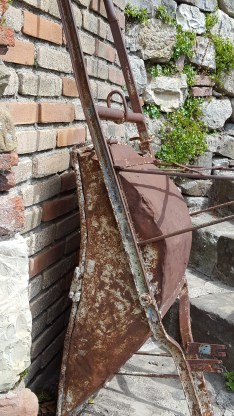
And a very old wheelbarrow, to go with some of the houses and paths that looked so old…


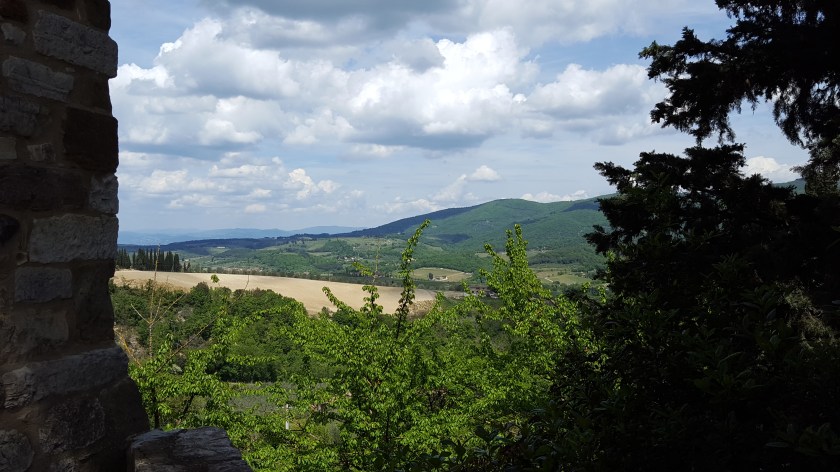
The views in the town where complemented by the beautiful scenery of the fields and farms below the town in the valleys.

20160430_132940.jpg

Finally, we found a great place to eat, outside along the road (where it rained briefly), with a view to enjoy along with good food to eat. Keith’s pasta included venison(who knew you could get venison in Italy?)

20160430_140548


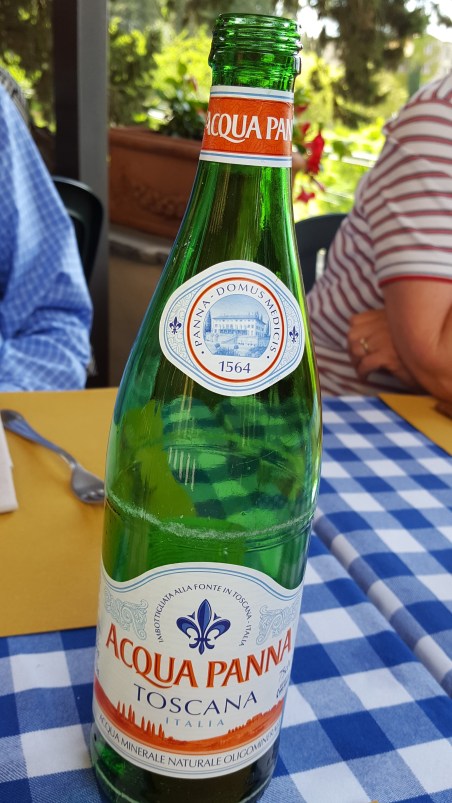
With, finally, a bottle of VERY old water (notice the date on the label). Are they trying to compete with aged balsamic vinegar or wine?


On the drive home, we could see other towns to explore, but it was getting dark and time to get home.

Nice day.

20160430_160434

Padua (Padova), the second part

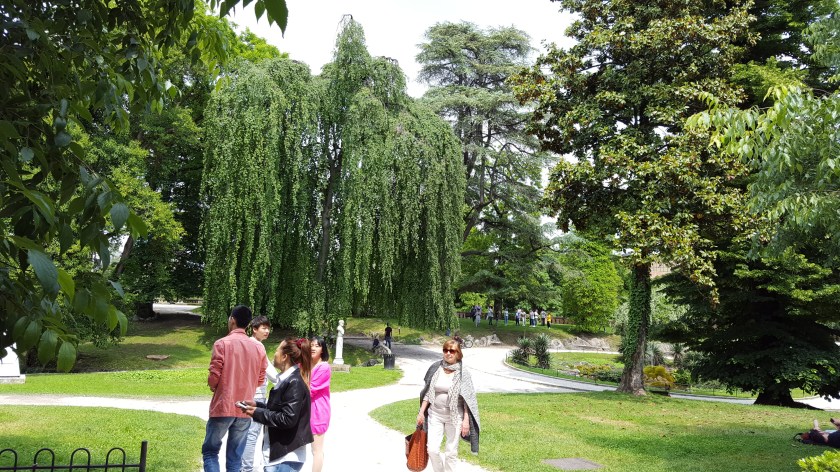
Padua was a town we all liked, from our accommodations, to the LDS ward, to the sites of the town itself. The place we rented was out of the city of Padua, but was a lovely place, with flowers, dogs (nice and not nice), and country space and air.

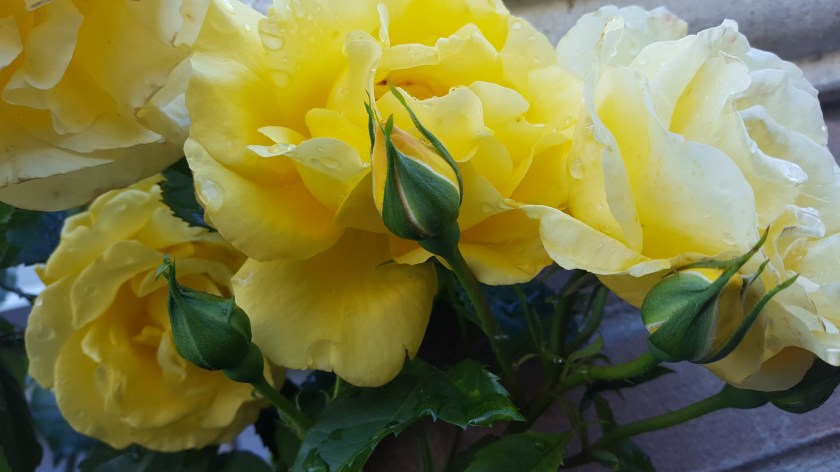
The host also had lovely roses (so watch out, you know I took photos of them). The host also had some new puppies, but I neglected to take a picture of them.

20160515_084520

20160515_124714


We also enjoyed the ward in Padua. They were friendly, reverent during Sacrament meeting, had a new convert to confirm that day (whose last name sounded Italian), and members that gave us great suggestions of where to eat and what to visit.

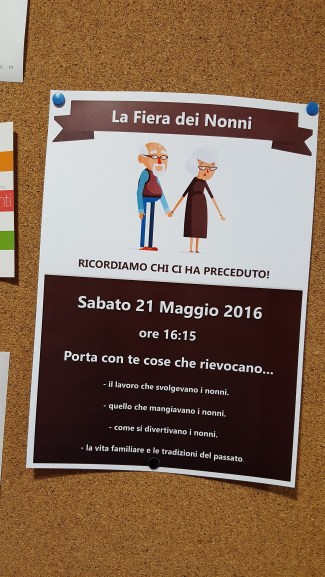
They were announcing a special grandparents day; we wished we were going to be there to join in. It seemed like an excellent idea.


One of the main sites to see in Padua besides the Scrovegni Chapel, which I have already posted about, is the Basilica of St. Anthony, a church belonging to the Vatican, and technically outside of Italy. We entered through the Mercy door, this being a special Year of Mercy, as declared by the Pope. Many people were there on pilgrimages. We were not allowed to take photos inside the Basilica, so you get this photo from outside. (But I recommend we all take time to seek mercy from the Lord of Hosts.)

20160518_104329

In the courtyard outside the church, was a sculpture of St. Anthony, shown with a child in the air. According to the sign near the statue, St. Anthony is an “intercessor between Heaven (the Christ Child) and humankind” (parentheses in original). The second statue on the right is by Donatello, and is Gattamelata, a Venetian general. (Okay, I haven’t heard of the general either, but the sculpture is to be admired.)

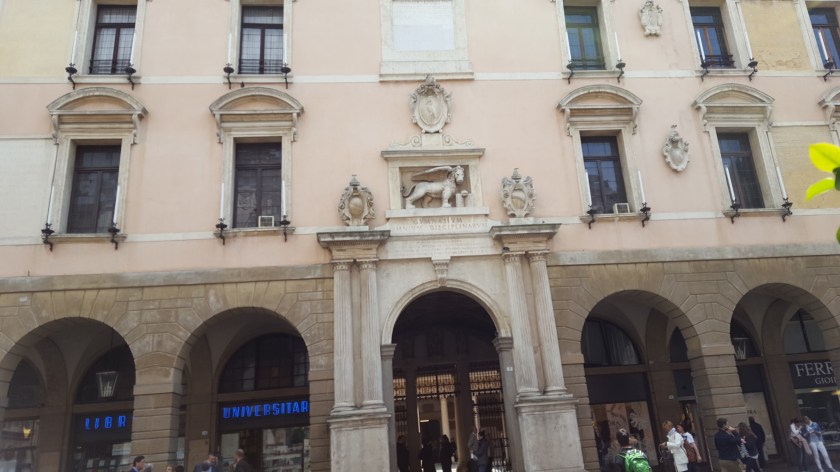
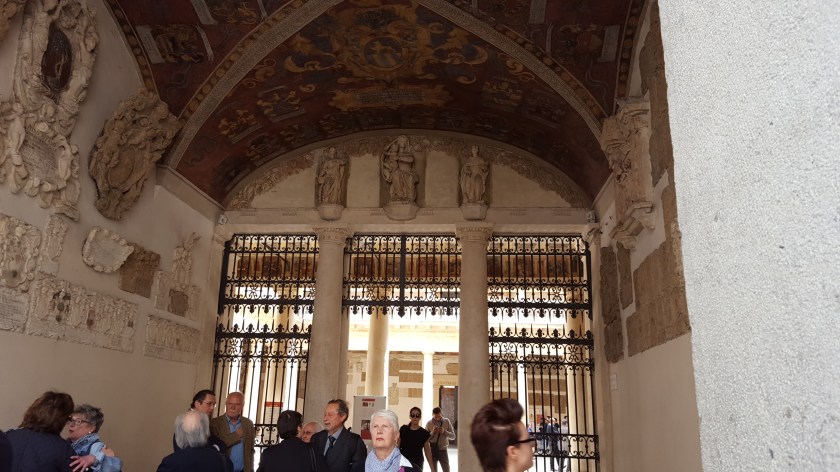
Pauda is an ancient town, with some claim to having been established earlier than 1000 BC. Padua also has a fairly (in comparison to the age of the town) ancient university. The university was founded in 1222 and is among the ten oldest in the world. It has been a prominent university for hundreds of years. The first photo on top is the university entrance with the store. The second one is entering the hall of honored alumni.

20160518_12190520160518_121735

You could walk around campus, and see, as mentioned above, this hall that honored some of the highly accomplished alumni and faculty, including Copernicus and Galileo. The Padua University website also claims as an alumni the first woman, Elena Lucrezia Cornaro Piscopia, to be awarded a university degree (1678).

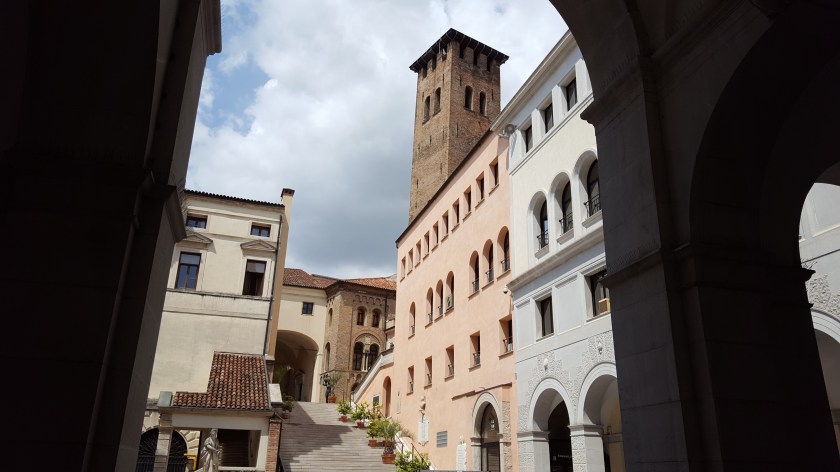
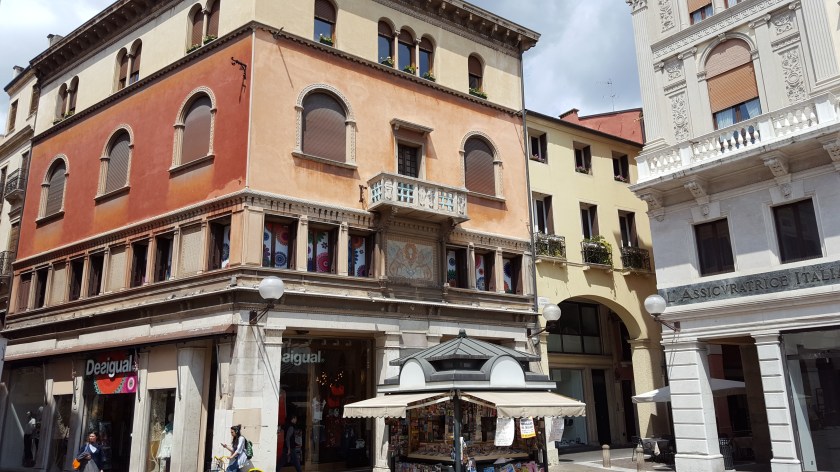
We liked the flavor and feel of all of this very old city. Here are a few photos from around the city center where we walked. We enjoyed the general feel of the town; it has a nice ambiance, better than my photos show.

20160518_121826

20160518_122714

The Caffè Pedrocchi (below), the building in the background with the white columns, was built in 1831 (new, in Italian terms). For many years, it has always been open (24 hours/day). It has a section where you can sit and rest without ordering anything from the cafe (which we made use of after walking through the town).

We went to a couple of museums. One museum, the Palazzo Zuckermann, part of the Civic Museums, had an interesting combination of objects of everyday life with the more usual paintings and sculptures. First, some photos of (undated) lace but made sometime during the 1600-1700s.

A collection of other items–watches, fans, and a music box.

And, of course, the necessary swords and guns.

The museum also had a great collection of coins, which collection is good enough to deserve a blog by themselves. Watch for it, but here is a first look.

20160518_174649

With a few examples of more traditional museum art, here are three delightful sculptures of children.

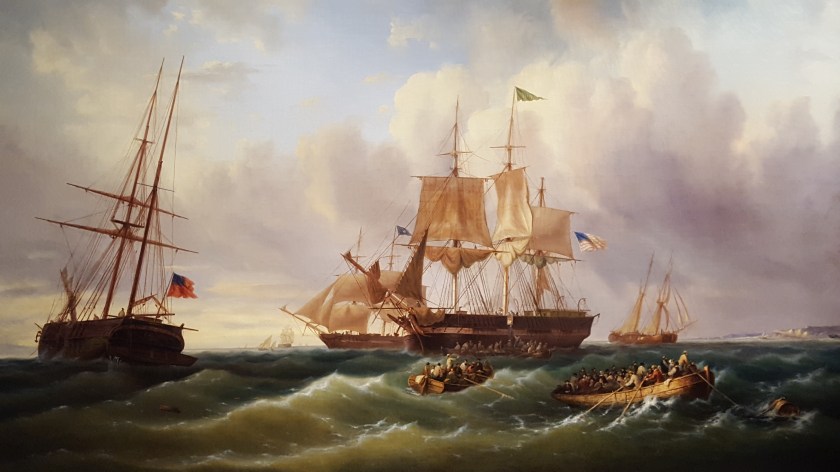
The museum even had a painting about immigration to the United States. Note the flag on the ship.The sign on the painting said it was of emigrants embarking to San Francisco.20160518_175650.jpg

Finally, some additional photos of the wonderful park near the Scrovengi Chapel.

20160518_141049.jpg

Put Padua on your list of places to visit on a tour of Italy. And enjoy the roses.

20160515_084450

Drinking fountains, old and older

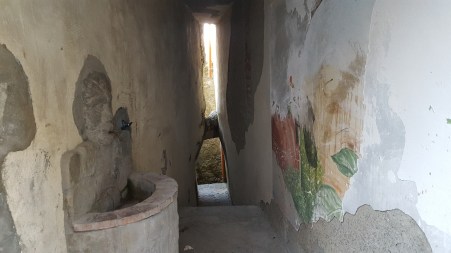
In Motta Camastra in Sicily in the narrow path leading to our apartment (yes, it was a path and not a street since we were already up one flight of stairs) was this water fountain. Learning about it and the system behind it sparked a further interest in the way water was supplied in earlier days.

2016-03-21 16.53.51

Our host in Motta told us that previously people did not have water in their houses. They had to get water from these fountains near their homes, and, they had to pay for the water they used.

20160319_172222

Here is another water tap in the small village of Motta Camastra.

2016-03-24 07.27.41Also in Motta I found this catchment system behind a house, used I am sure to catch run off from the mountain.


The water system of ancient Rome is one of the wonders of the ancient world. They had connected aqueducts, cisterns, and fountains to bring water to the cities. Here are a couple of photos of one of the ancient aqueducts taken as we zipped by on the autostrada between Pisa and Florence.

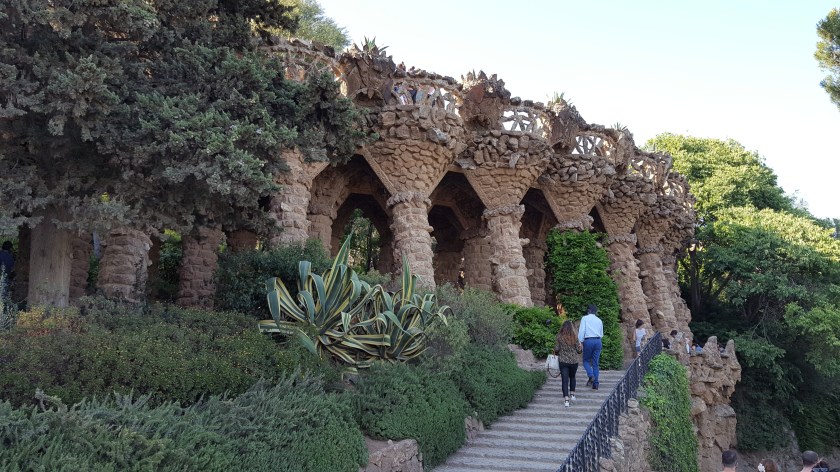
Incidentally, the aqueducts have inspired more modern builders/artists, too. Here at Park Güell in Barcelona is a structure labelled an aqueduct on the map. Park Güell is a creation of Antoni Guadí (more on Guadí to come).

20160601_184029

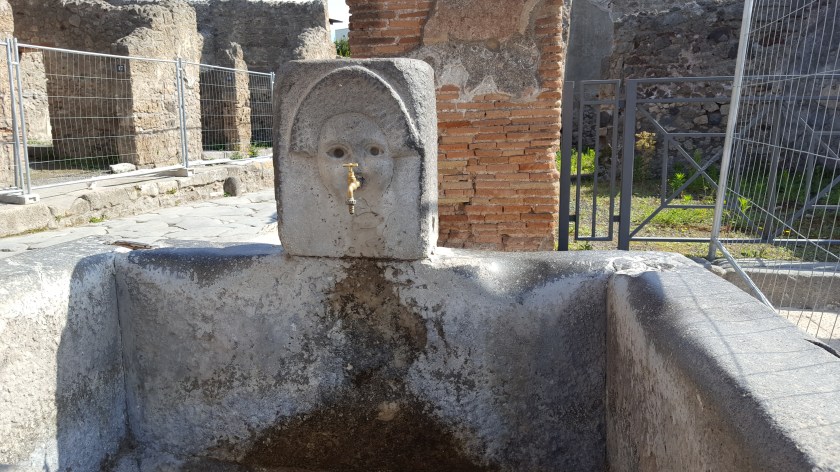
For more evidence of the ancient water systems, I took this photo (and filled my water bottle) from this fountain in Pompeii, designed originally sometime before 79 AD (since that was the year Pompeii was buried by Mt. Vesuvius).

20160411_102744

Rome has similar fountains throughout the city; the photo below on the left was taken inside the Forum. I filled my water bottle at this fountain, too. (Heavy drinker I am.)

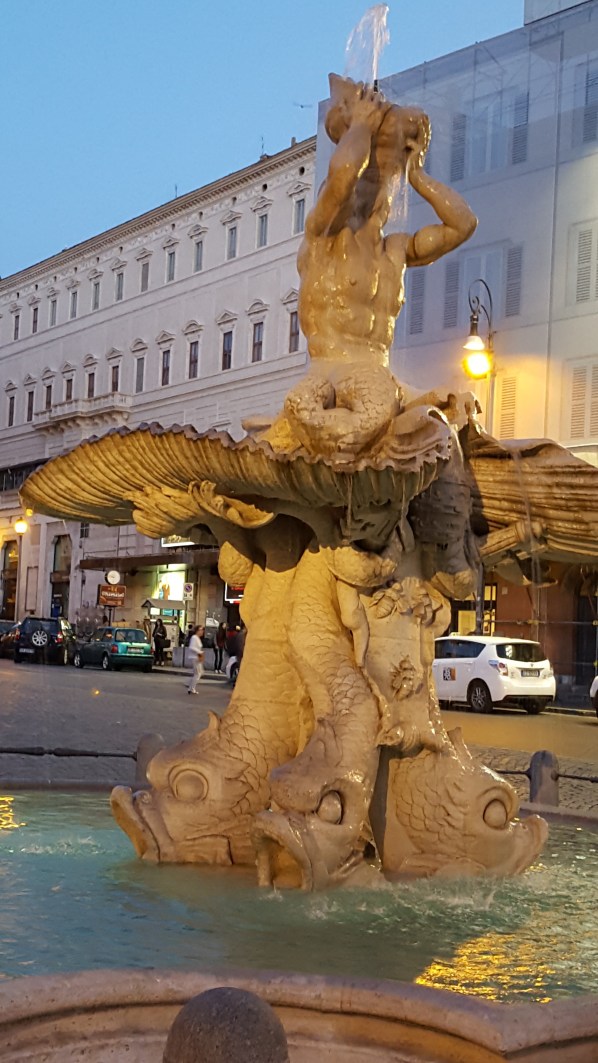
There are many fountains all across the city of Rome, but since I am focusing this post on drinking fountains, I’m only going to highlight this additional example. I’m afraid you and I don’t get to drink from this one!

20160414_200218

Sienna has the beautiful Fountain of Joy (Fonte Gaia), a portion of which you can see in the photo on the left. It has, at the base, another place to fill your water bottle (and I did).

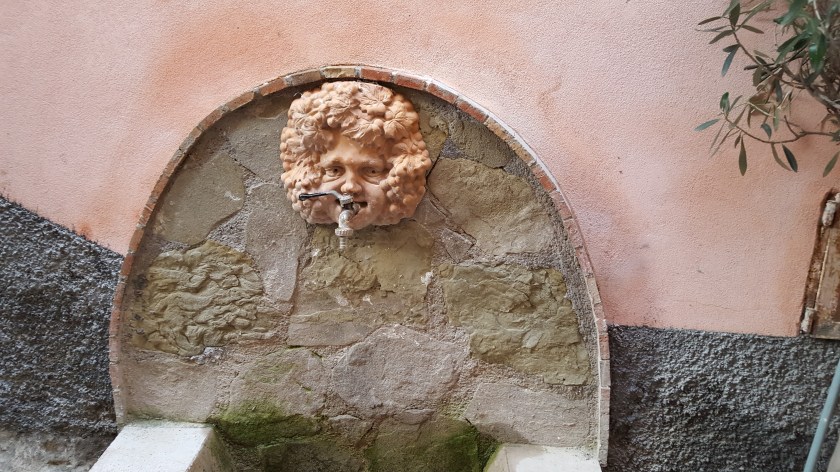
This fountain (on the right) in Montefioralle, placed conveniently near some large planters of flowers, has an important message on it. You can click to enlarge the photo to read the sign for yourself, but it says: L’acqua e’ un bene prezioso. Non sprecarla! Chiudi sempre bene il rubinetto. Grazie. (Translation: Water is a valuable asset. Do not waste it! Always close the tap well. Thank you.) I didn’t try to fill my water bottle here.

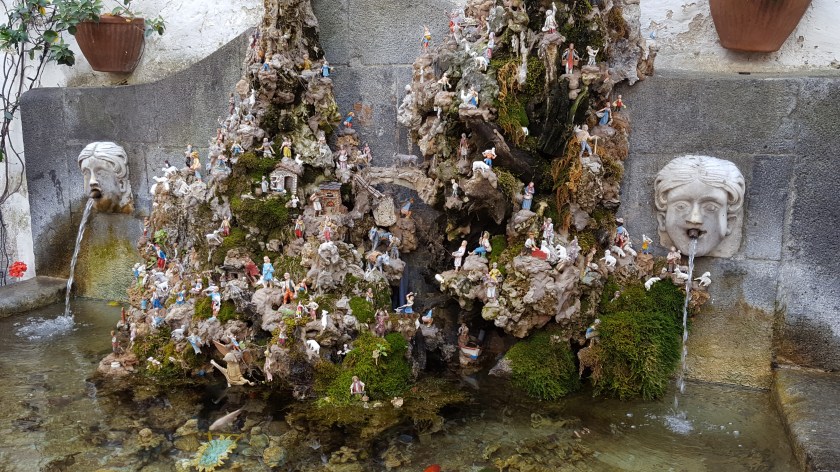
But by far the most unique place to fill my water bottle was this fountain in the town of Almalfi. You could look at all the activities of the figures for quite some time.

20160527_113634

In the photos below are some more details of this fountain in Almalfi, including the fish swimming in the pond.

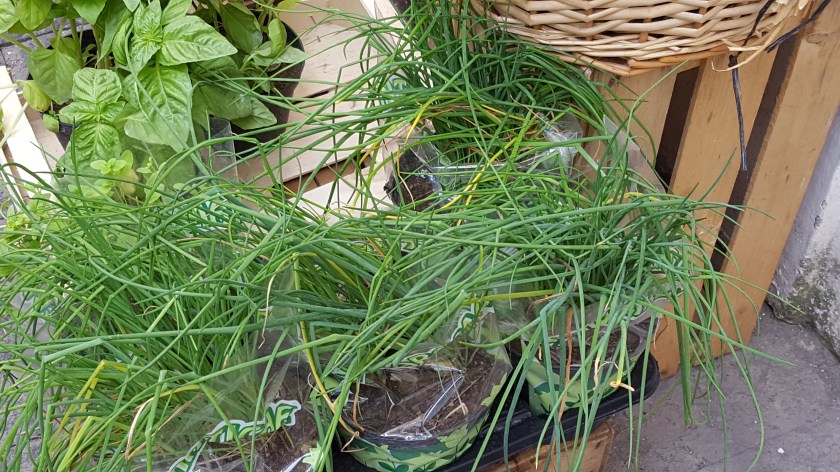
This fountain was very near the fruit and vegetable market in Almalfi that I posted about earlier, although in that post I didn’t include this photo of some delicious looking herbs. Were these plants watered from the fountain and that is why they look so healthy?

20160527_113900


Padua, the Scrovegni Chapel

20160518_162338.jpg

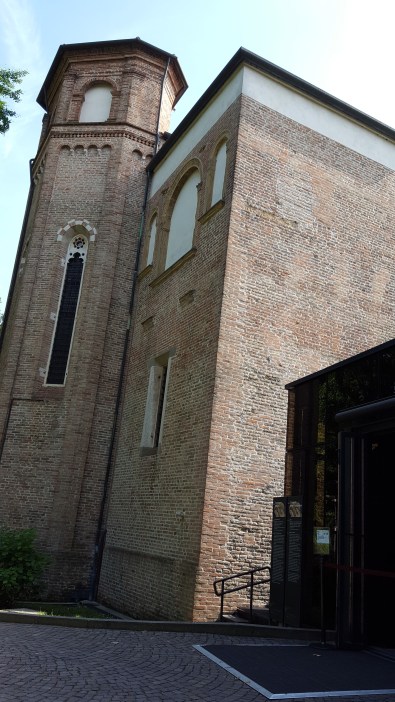
A favorite part of our visit to Padua was a tour of the Scrovegni Chapel. The walls of this small chapel are covered in frescoes by Giotto, painted between 1303 and 1305. Wikipedia  (the source of all information these days) calls the frescoes in this Chapel one of the most important examples of Western art.

The dark colored door to the right in this photo led to a room where we viewed an introductory video on the Chapel, but it was also designed to allow us to “dry out” (humidity control) while we waited for our turn to enter the Chapel.

All visits to the Chapel were carefully timed and regulated, and we only got a few minutes to be in the Chapel.

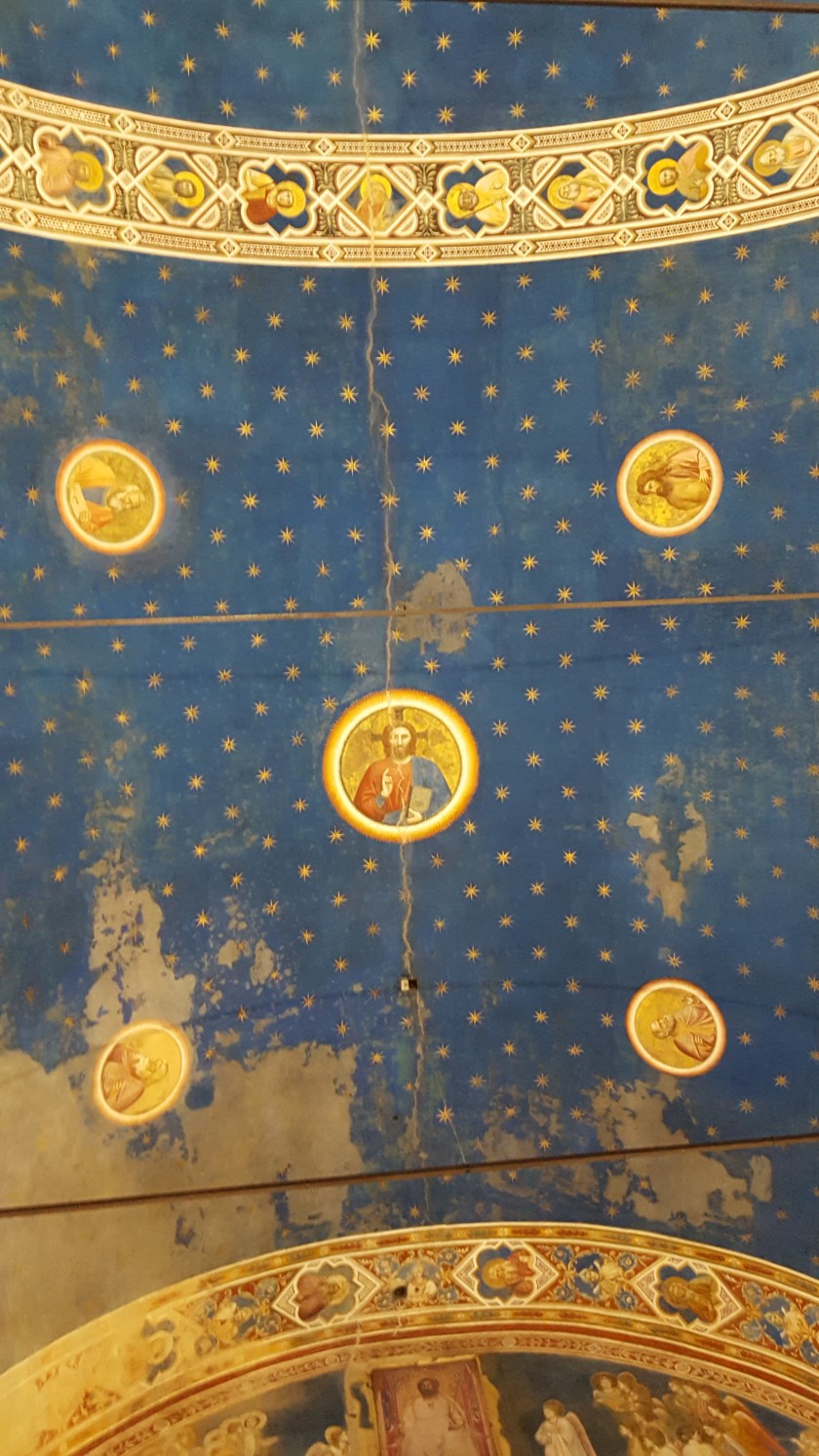
Hence, I’m highly disappointed in the photos I got, since they don’t give you the full sense of the Chapel. (I invite you to hunt for some other photos on the Internet to better see the Chapel.) For example, the entire Chapel seems covered in a deep blue color, like this photo I took of the ceiling. You will notice that most of my photos lack evidence of this vivid blue background color.

20160518_165729

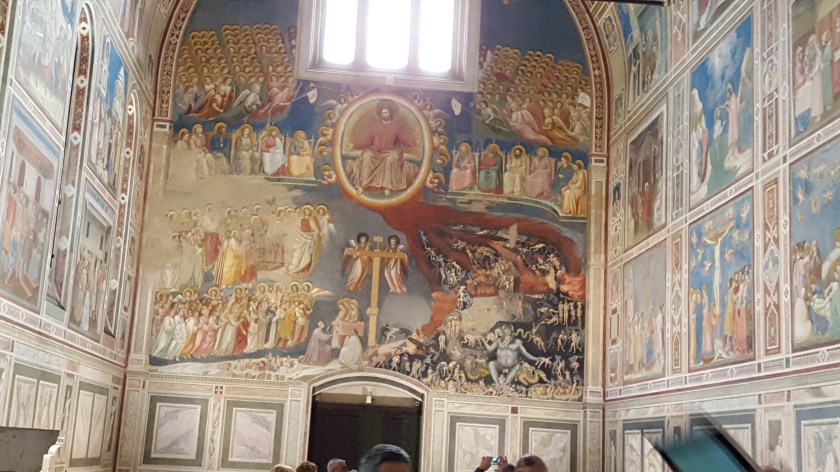
On the back wall  of the room is a fresco of the final judgment, with Christ on His throne (just under the window) with the righteous souls on His right hand and sinners on His left.

20160518_170012

The paintings on the side walls, in three tiers, featured the life of Mary and the life of Christ. I took several close-up shots of the frescoes on the life of Christ in the short time we had in the room. In the first examples, you can see the Last Supper (on the left) and the day of Pentecost (on the right).

Christ washing the feet of his apostles…

20160518_165744

Christ appearing to Mary after His resurrection (left) and His ascension into Heaven (right). Click to enlarge.

Right next to the Scrovegni Chapel is a lovely city park.

20160518_141121

With another view of the Chapel from the park.

20160518_141210

Transportation 1: Naples

Part of the fun of traveling in a new place is  figuring out how to get around. Public transportation is  good and we used a wide variety throughout our visit to Italy. All this made me decide transportation might make a good topic for ESL Readers. To show you, here are some examples from Naples, starting with walking, cars and a multitude of motorcycles and scooters.

Although most of the streets in Naples are narrow (like the photos above), the city has a few nice walking streets, one of which fronts the Bay of Naples (good place for posing, with Mt. Vesuvius in the background).

20160410_184103

Most people were walking on this broad street on the bay, but there were alternate means of transport. You could wheel yourself, pedal a bike, or take a boat! I’m sure the person in the wheelchair was happy to have such a good road for her transportation needs. Some people must take the boats out for sea adventures, but alas, we didn’t.

The boats in the harbor do make a beautiful sight at the end of the day, though.

20160410_190942

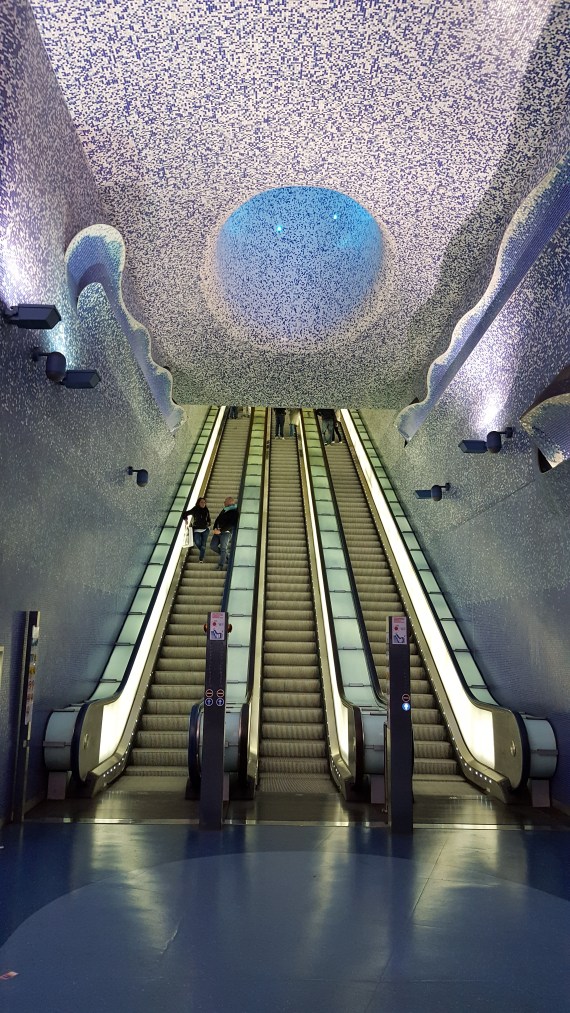
For a look at another type of transportation, Naples has some award winning Metro (subway) stations, decorated with art from contemporary artists and architects. Here is one in “metal shine” (my name for it).

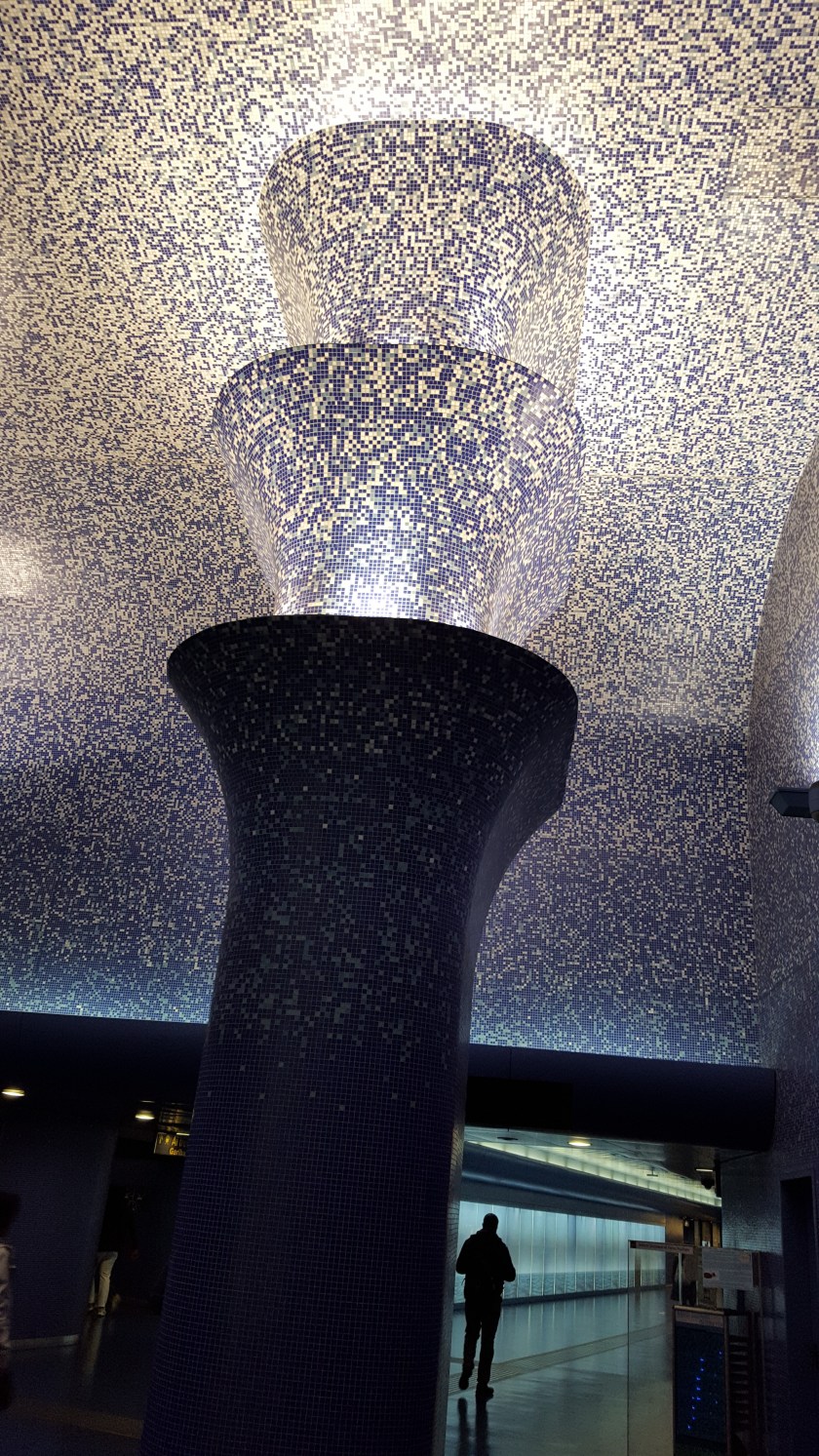
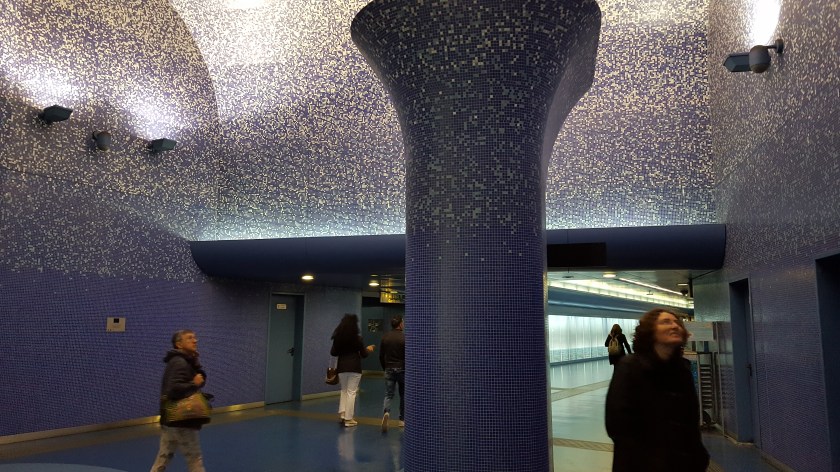
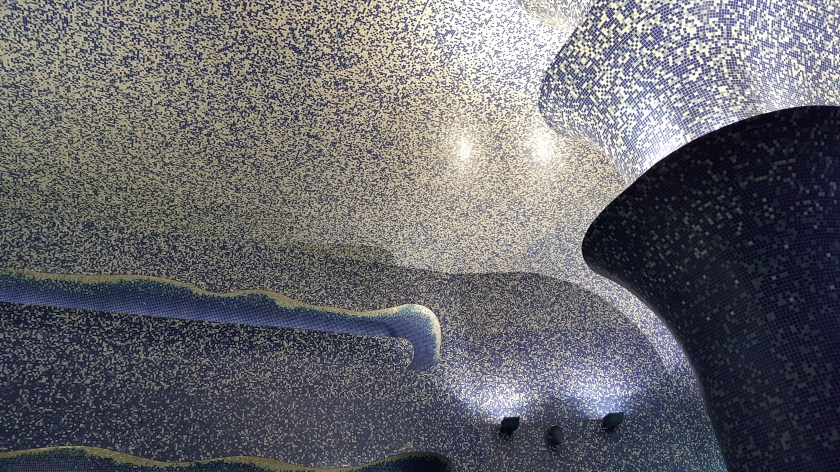
Second, here is the Toledo Street station, voted most beautiful in Europe (by somebody). My reading of the art of this station is that first you start with murals reminding everyone of a war or revolution (top left). Why? (I don’t know). The look soon changes, however, to colors that represent the land and sun (to me).

But as you leave the land and descend down (to the tracks), the golden color of the sun and land disappears and your path takes you along the edge of water.

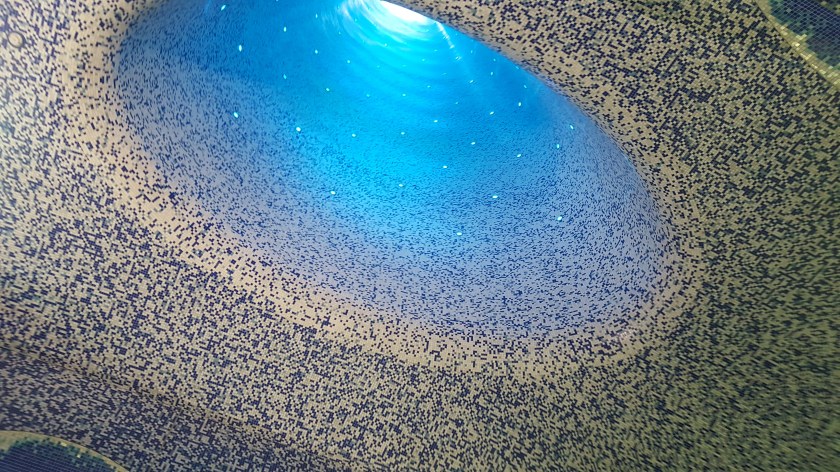
Then the descent takes you to the realms underneath the water–to find this!!

20160410_133152

20160410_13321420160410_13311820160410_133113

20160410_133127

While emerged in the sea, you have underwater sounds to accompany your journey, strange pings and bongs. A most unusual station, with beautiful blue everywhere.

After that beautiful station, there is this inexplicable station with shoes, guns, and train rails???

Along with “normal” transport like buses, taxis, and trains, we also rode the funicular up to a hilltop to get a view of the city.

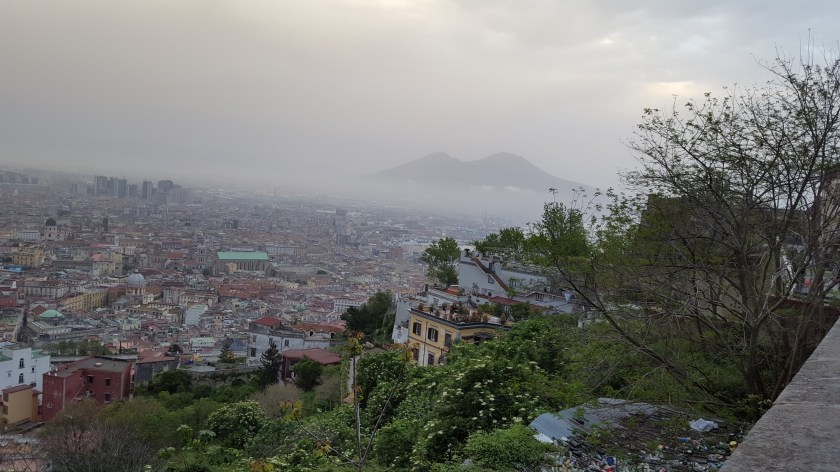
Although it was a hazy day, we got this view of Naples, with Vesuvius in the clouds in the background.

20160413_191012

Another photo shows more of the buildings near the base of the hill and you can see the yellow and red color of much of Naples.

20160413_191830

Transportation adventures in Naples.


Markets, French and otherwise

20160530_100454

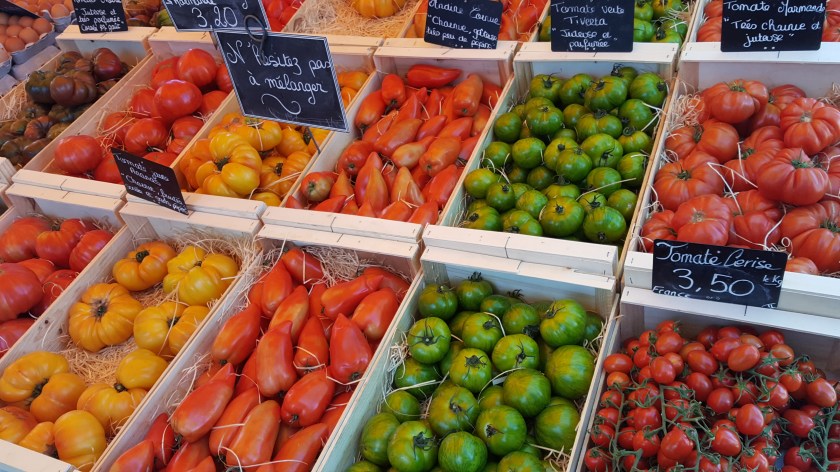
In quite a number of places, we found wonderful food markets (mostly in the open air). The photo above was taken in France in a sea town called Sanary-sur-Mer. Just to show how inviting the food looked, here are a few more photos from that market. I wanted to buy some of everything, but we couldn’t take it back to the cruise ship.

In addition to the fruit and vegetables, they had olives, spices, and, if you can read the signs, a couple of kinds of gluten-free macaroons mixed in with a wide array of French pastries.

We found another lovely market in Padua, Italy, which we discovered was a French market! That is, it was a place in Padua to buy French food and French products. Look what you can buy in this market. (Okay, I can only show you a few photos). The second set of photos  of bread and sausage were taken by Gael.

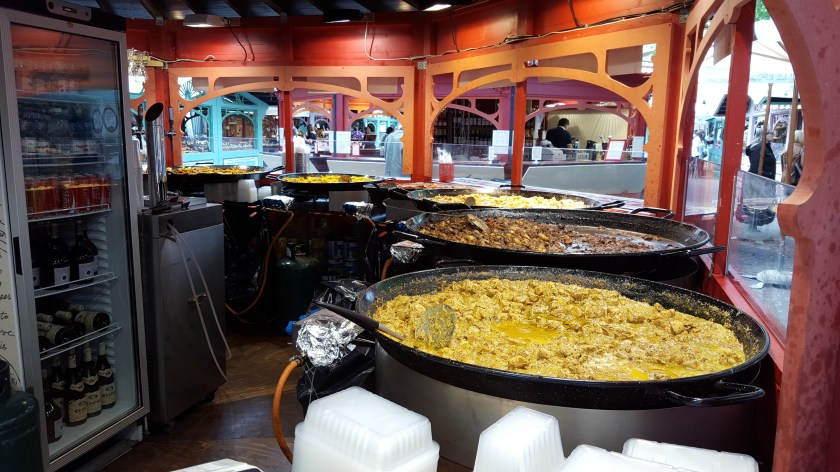
One of the best parts of this French market in Padua was the hot food I was able to buy and eat. Look how the dishes are cooked–in huge vats in front of us!

20160518_143430

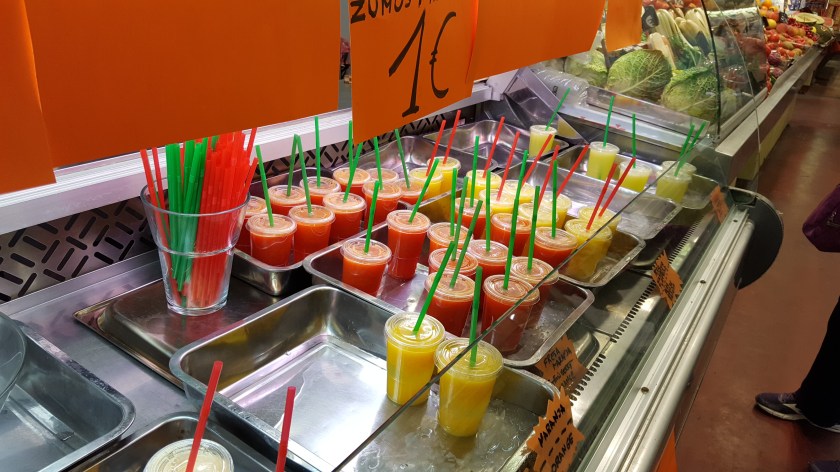
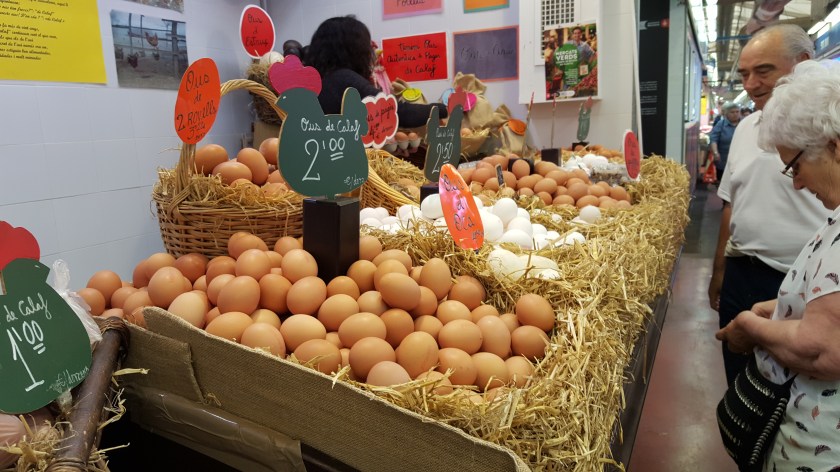
In Barcelona at the Sant Antoni Market we found, among other things, these fresh fruit drinks. Notice the price. We each bought more than one, of course. The eggs (photo below) were piled high for–anyone to knock off the table? The sellers and buyers seem unconcerned.

20160601_11115620160601_111903

They sold many items besides food in Sant Antoni market in Barcelona. The regular market site was being refurbished and so the goods were housed in temporary quarters, but it was still a very fun market.

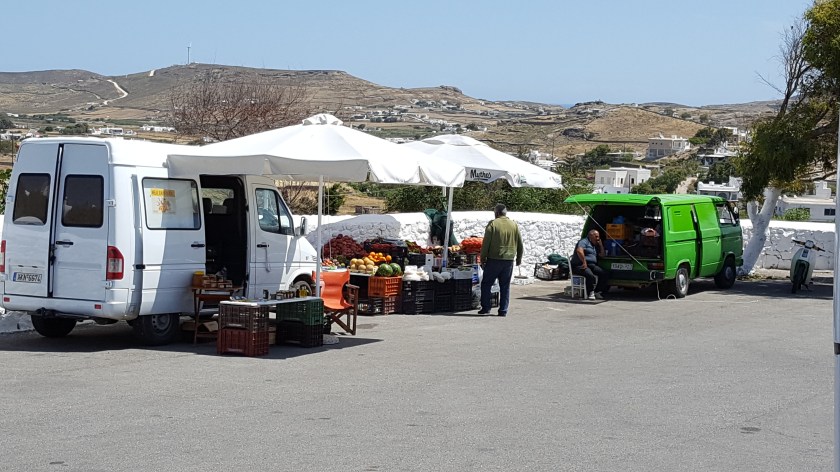
Some times the markets don’t have a dedicated space or buildings, but are in carts, on boxes outside stores, or from trucks, like these in Greece on the island of Mykonos.

20160525_104159

I actually saw fruit trucks all over, but didn’t get many pictures because I was buzzing by fast in a car or train.

I particularly enjoy the fruit and vegetables markets, including the one on the left which was nearly under my apartment in Naples. It was hard to get a good picture with the awning nearly always up. It is not always fruit and vegetables in the markets, though, as you would know. Sometimes it is a fish market (also in Naples).

Although fish markets are interesting (and smelly), I’ll end with our visit to Almalfi, Italy, where fruit and vegetables sellers line the streets with wares arranged artistically to attract us buyers.

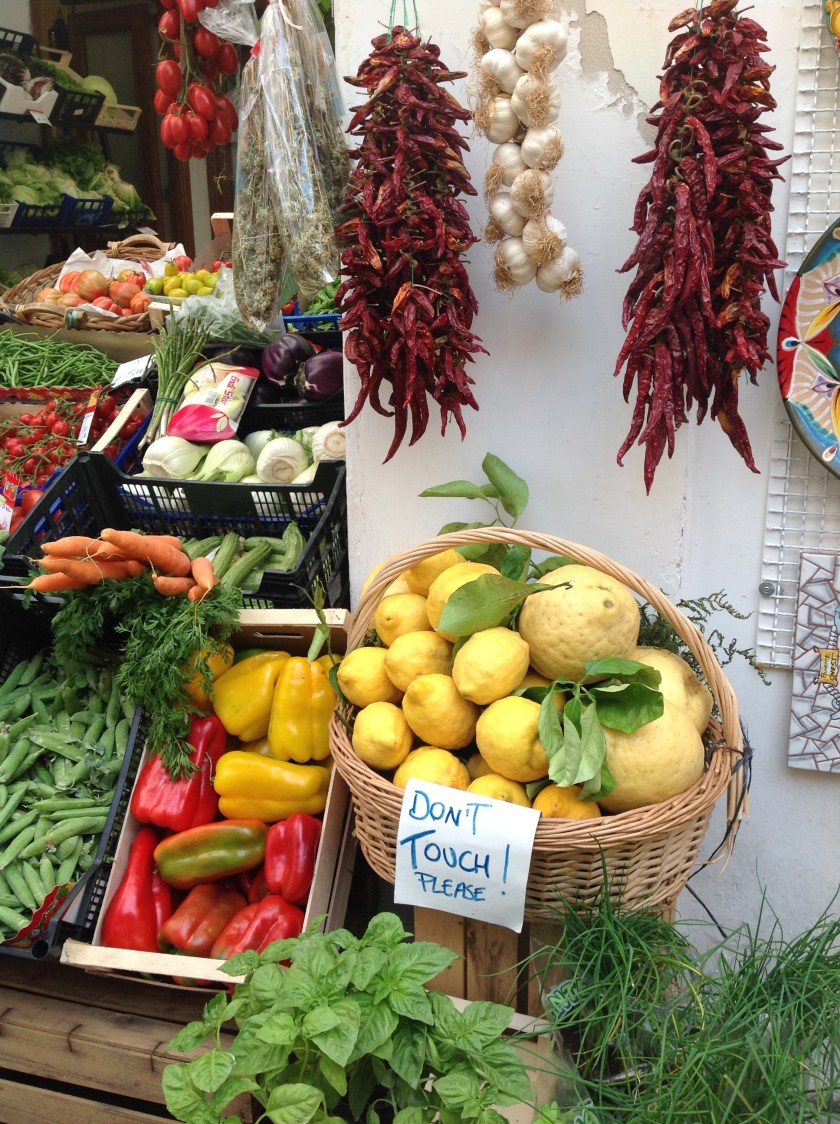
Although we didn’t seem to get a photo, the Almafi region in southern Italy is famous for lemons and has some lemons that are huge, nearly the size of pomelo or small cantaloupes.

To me, in addition to enjoying the great taste of the things I bought, the presentation of the food in these markets makes beautiful art. I’ll end with some excellent photos by Gael of a market in Almalfi. Good enough for still-life paintings, eh?

IMG_3444IMG_3447IMG_3445

What to come shopping with us?


Cats!

[Updated July 13 with more cats. See end of post.]

While I started adding cats to other posts, cats that haunted the ruins of Benevento and Herculaneum, for example, I thought I might as well post a collector page of cats–just for fun. Cats across the countries I have visited! Aren’t you thrilled?

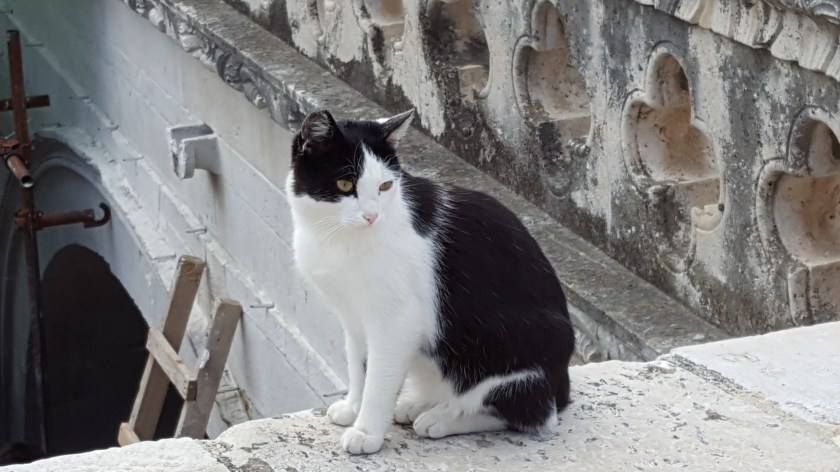
First is the guard cat of the old (fortress) city of Dubrovnik, Croatia (or does she/he look too sweet to be a guard cat?)

20160521_084120

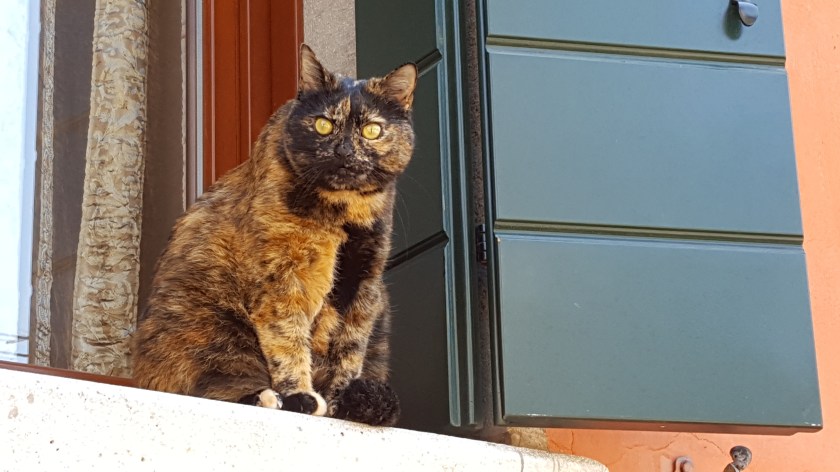
Then, there was the fierce cat of Venice–look at those eyes. When I got closer to get a better photo, Gato di Venezia hissed loudly at me. Watch out!

20160517_115523

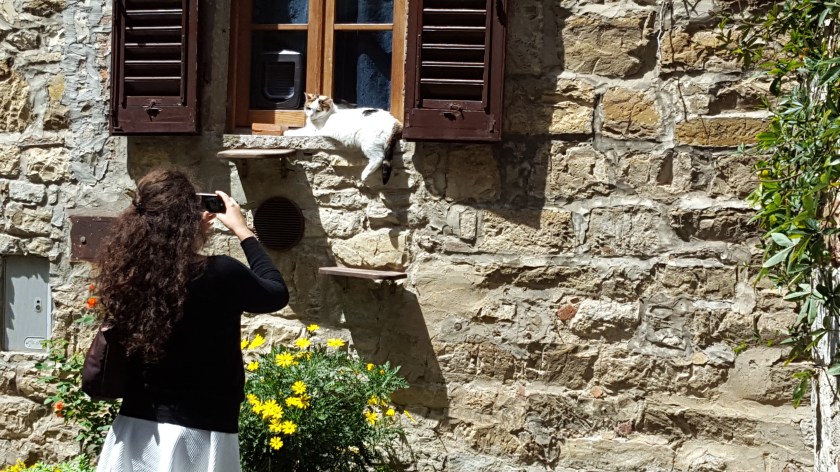
I was not the only one taking pictures of cats. When I raised my camera to take a picture of this cat in Montefioralle in Chianti, who was enjoying the warmth of the spring sun, someone stepped right in front of me and took a picture.
20160430_131457

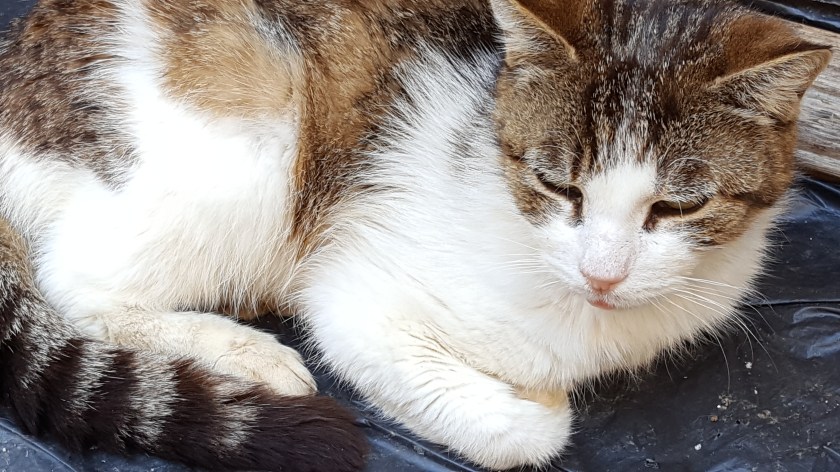
I came back to that cat after being diverted to a picturesque courtyard and some flowers to get another shot–of a very sleepy cat. At least in this photo the eyes are open a little.
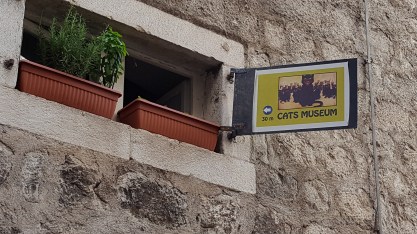
My best cat photo, as cats go, was in Koto, Montenegro, a cat resting comfortably very near a museum to cats! The cat did not seem to consider it might be stuffed someday to join the displays in the museum (although the museum was not part of our pre-arranged tour, so I have no idea what was in that cat museum).

20160522_09373220160522_093751

20160430_134637But there are other kinds of cats than just the domesticated type and I found them in several places. Take these, as examples:


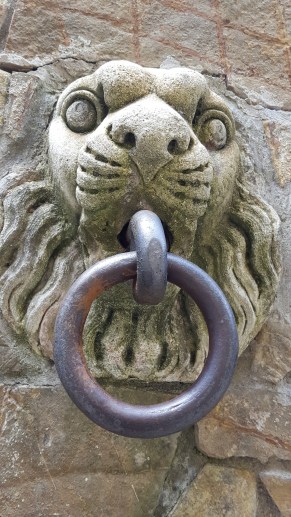
First, a protector “cat” on the gate of the church in Montefioralle


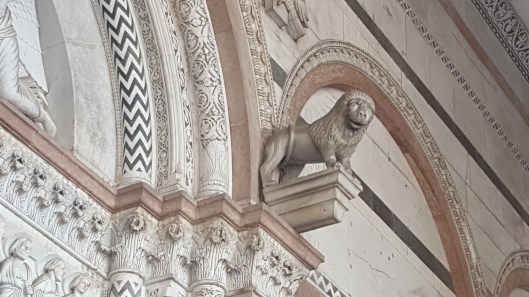
Or one standing guard at the cathedral in Lucca

20160425_114656


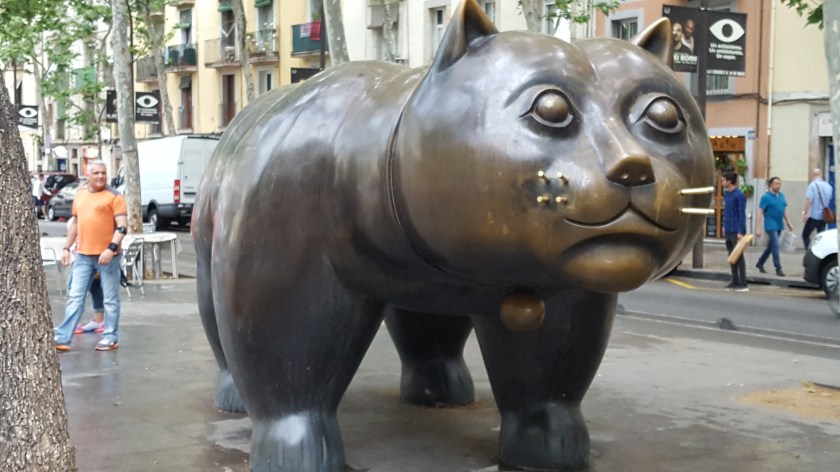
Or this gigantic cat in command of the famous Las Ramblas street in Barcelona.

20160531_192513

[Added July 13th.] I found more cats–from Egypt, preserved in the Neues Museum in Berlin. Cats from ancient days (date not clear on sign in museum).
(Still, a post on dogs sometime, anyone? Don’t hold your breath.)