In Motta Camastra in Sicily in the narrow path leading to our apartment (yes, it was a path and not a street since we were already up one flight of stairs) was this water fountain. Learning about it and the system behind it sparked a further interest in the way water was supplied in earlier days.
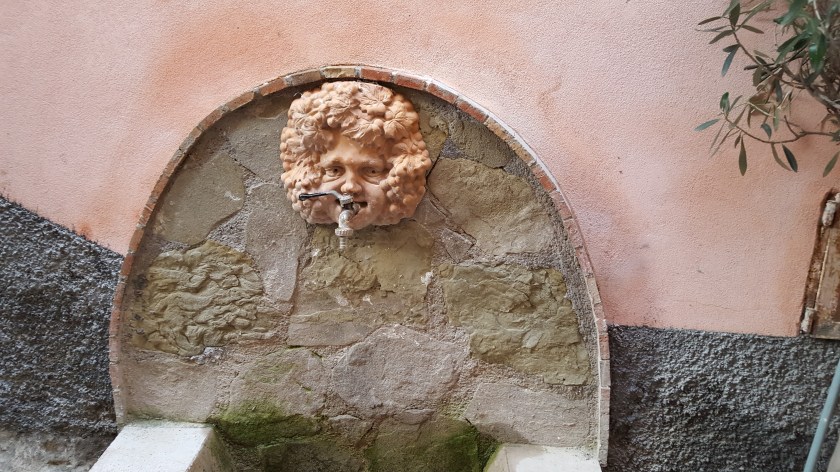
Our host in Motta told us that previously people did not have water in their houses. They had to get water from these fountains near their homes, and, they had to pay for the water they used.
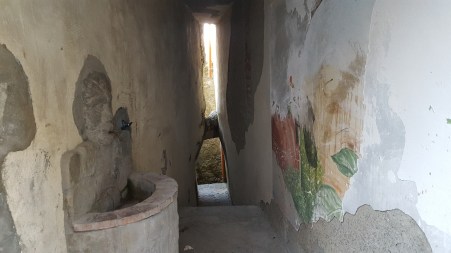
Here is another water tap in the small village of Motta Camastra.
 Also in Motta I found this catchment system behind a house, used I am sure to catch run off from the mountain.
The water system of ancient Rome is one of the wonders of the ancient world. They had connected aqueducts, cisterns, and fountains to bring water to the cities. Here are a couple of photos of one of the ancient aqueducts taken as we zipped by on the autostrada between Pisa and Florence.


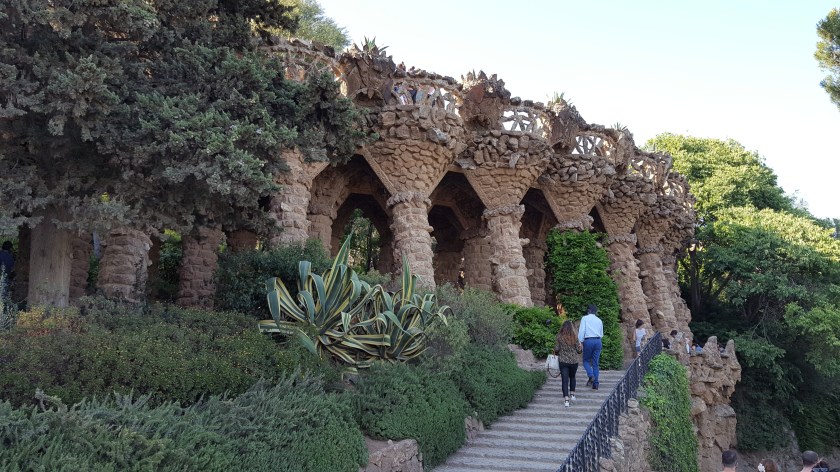
Incidentally, the aqueducts have inspired more modern builders/artists, too. Here at Park Güell in Barcelona is a structure labelled an aqueduct on the map. Park Güell is a creation of Antoni Guadí (more on Guadí to come).
For more evidence of the ancient water systems, I took this photo (and filled my water bottle) from this fountain in Pompeii, designed originally sometime before 79 AD (since that was the year Pompeii was buried by Mt. Vesuvius).
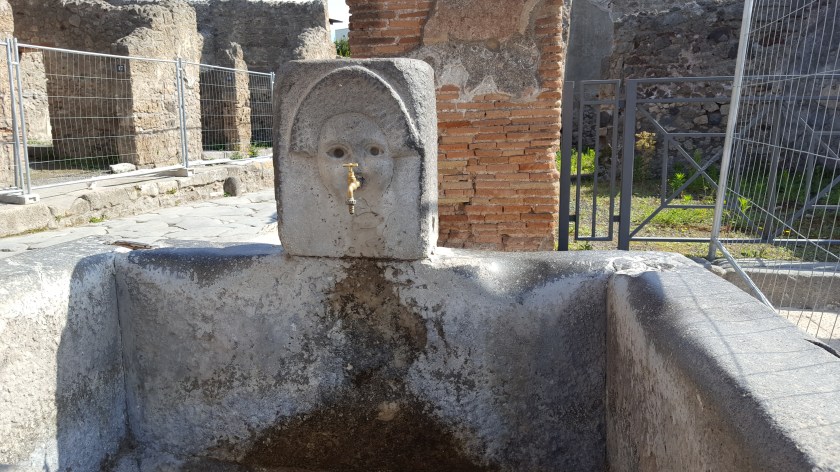
Rome has similar fountains throughout the city; the photo below on the left was taken inside the Forum. I filled my water bottle at this fountain, too. (Heavy drinker I am.)


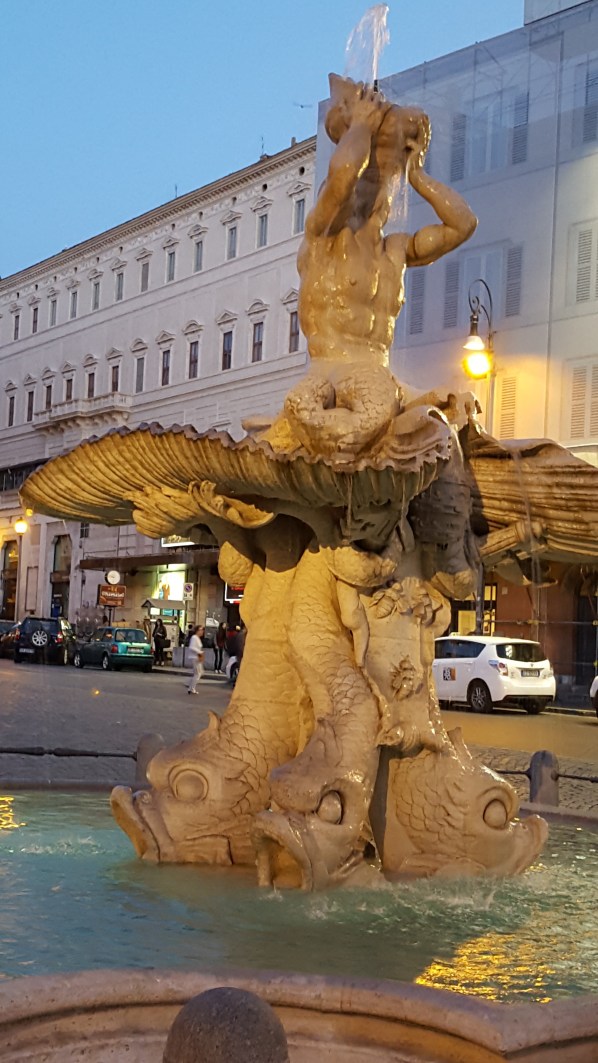
There are many fountains all across the city of Rome, but since I am focusing this post on drinking fountains, I’m only going to highlight this additional example. I’m afraid you and I don’t get to drink from this one!
Sienna has the beautiful Fountain of Joy (Fonte Gaia), a portion of which you can see in the photo on the left. It has, at the base, another place to fill your water bottle (and I did).


This fountain (on the right) in Montefioralle, placed conveniently near some large planters of flowers, has an important message on it. You can click to enlarge the photo to read the sign for yourself, but it says: L’acqua e’ un bene prezioso. Non sprecarla! Chiudi sempre bene il rubinetto. Grazie. (Translation: Water is a valuable asset. Do not waste it! Always close the tap well. Thank you.) I didn’t try to fill my water bottle here.


But by far the most unique place to fill my water bottle was this fountain in the town of Almalfi. You could look at all the activities of the figures for quite some time.
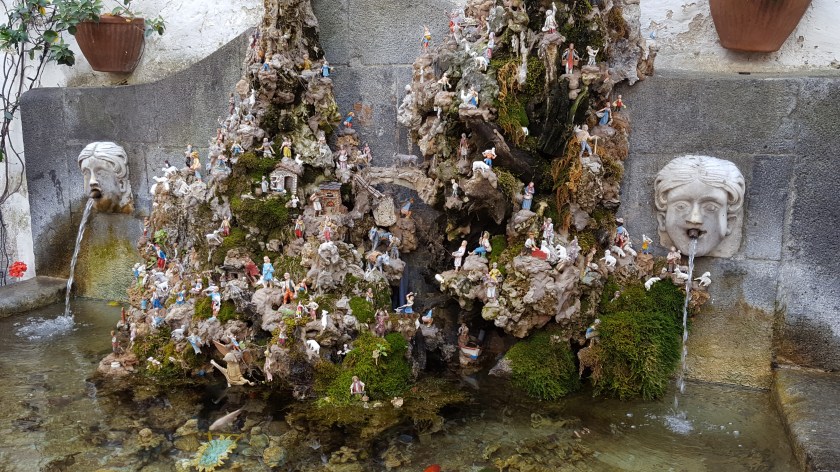
In the photos below are some more details of this fountain in Almalfi, including the fish swimming in the pond.


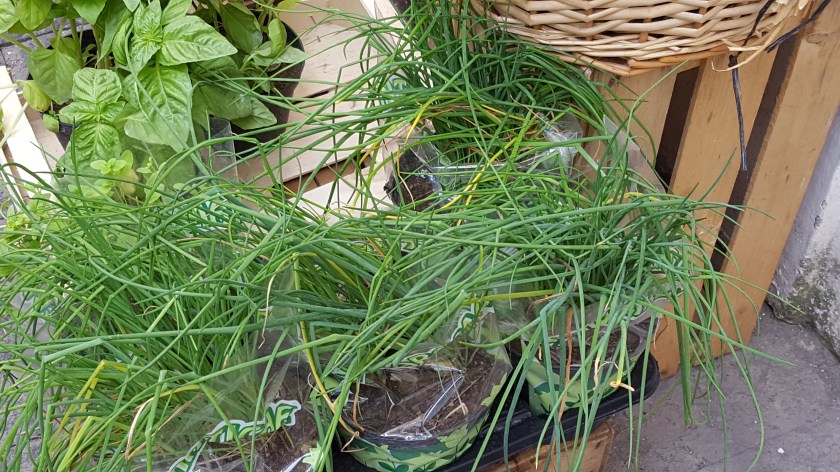
This fountain was very near the fruit and vegetable market in Almalfi that I posted about earlier, although in that post I didn’t include this photo of some delicious looking herbs. Were these plants watered from the fountain and that is why they look so healthy?
 bunkerwrites.com